
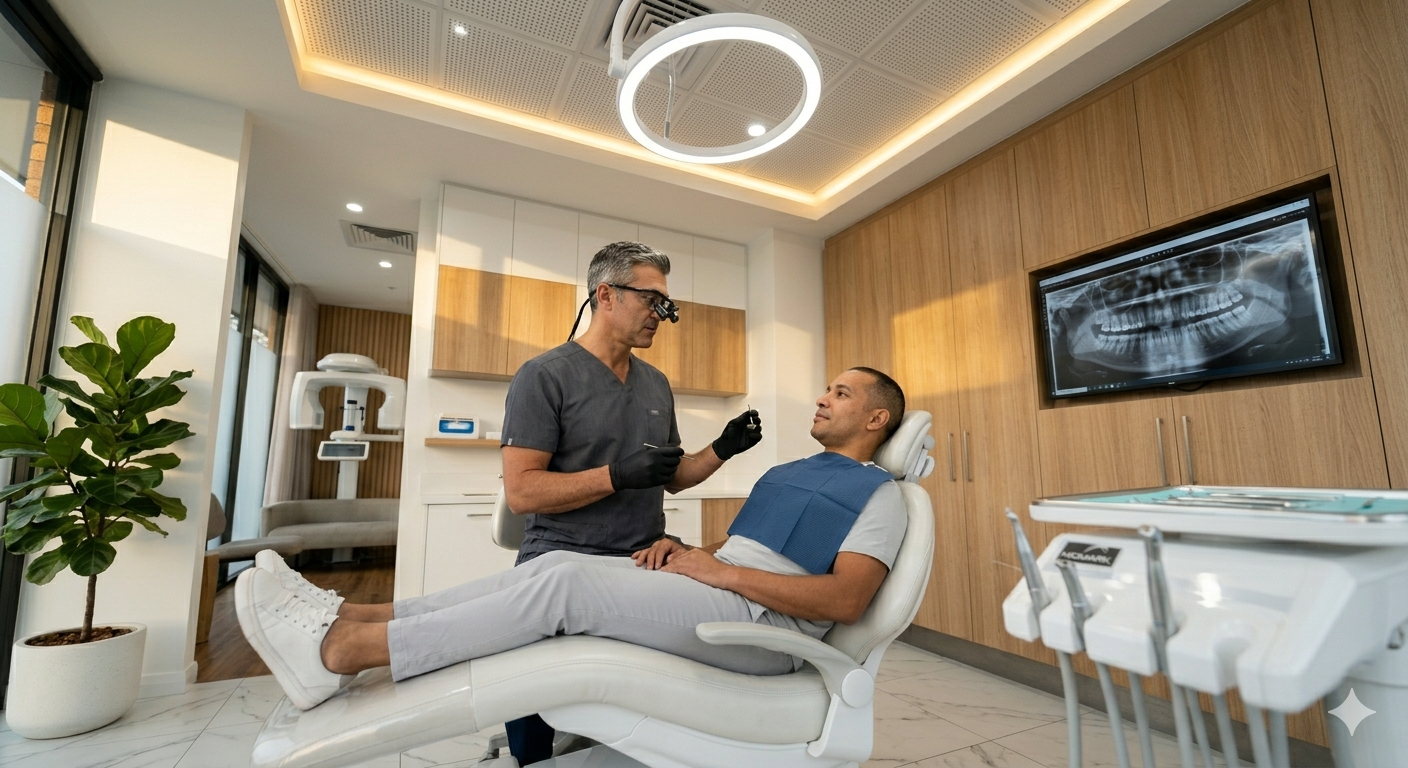
Periodontal treatments in Tampa, FL focus on caring for the gums and the structures supporting the teeth. These treatments help prevent and treat gum disease, which can lead to tooth loss if left unchecked. Understanding the options available can make a big difference for anyone worried about their oral health.
Many people don’t realize that gum disease often starts without pain, making regular check-ups key. Modern periodontal care in Tampa combines gentle techniques with advanced technology to keep patients comfortable while effectively managing their gum health.
A trusted local periodontist can offer personalized treatment plans tailored to each person’s needs. If gum health is a concern, talking to an expert about the right care is a smart next step toward a healthier smile.
Understanding Periodontal Health
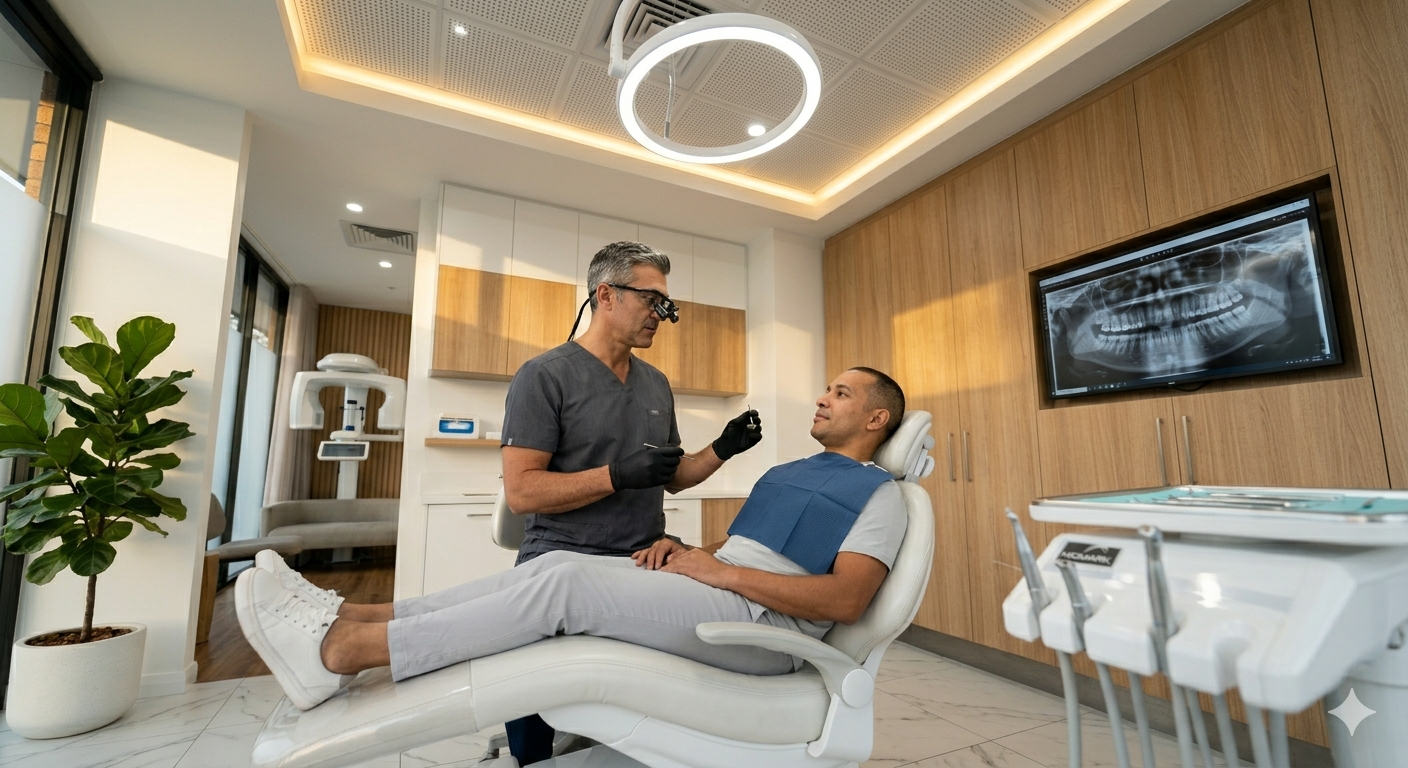
Healthy gums form the foundation of a strong and attractive smile. Knowing what gums do, recognizing warning signs of problems, and understanding how gum health affects your overall dental wellness can help prevent serious issues.
What Are Gums and Why They Matter
Gums, or gingiva, are the soft tissue that surrounds and supports the teeth. They act as a protective barrier against bacteria and help keep teeth securely in place. Healthy gums fit snugly around teeth and are typically pink and firm.
If gums become inflamed or start to pull away from teeth, it can lead to pockets where bacteria accumulate. Over time, this can cause damage to the bone supporting the teeth, leading to tooth loss if untreated. Maintaining gum health is key to preventing these complications.
Common Signs of Gum Disease
Early gum disease, known as gingivitis, often shows up as redness, swelling, or bleeding during brushing or flossing. These signs may seem minor, but ignoring them allows the condition to worsen.
In more advanced stages, called periodontitis, gums may recede, form deep pockets, and cause chronic bad breath. Teeth can loosen or shift as the supporting bone weakens. Prompt dental care can reverse gingivitis and manage periodontitis effectively.
How Gum Health Impacts Your Smile
Gums influence not just oral health but also the appearance of your smile. Healthy gums frame teeth beautifully, enhancing your confidence and overall look.
Swollen or receding gums can expose tooth roots, making teeth look longer or uneven. Plus, untreated gum disease risks tooth loss, which affects chewing, speech, and facial structure. Keeping gums healthy helps preserve both function and aesthetics for years to come.
Modern Gum Treatment Options in Tampa
Gum treatment has evolved to become more precise and patient-friendly in Tampa. New approaches focus on reducing discomfort, speeding recovery, and targeting problem areas efficiently.
Deep Cleaning and Scaling Explained
Deep cleaning, also known as scaling and root planing, is a common treatment for gum disease. It involves removing plaque and tartar from below the gum line, which regular brushing can’t reach.
This procedure smooths the tooth roots to help gums reattach. It is usually done over two visits, allowing time for healing and monitoring.
Patients often feel relief from bleeding and swelling after treatment. Dentists use local anesthesia to reduce discomfort, and good oral hygiene afterward supports lasting results.
Laser Gum Therapy Benefits
Laser gum therapy is a modern alternative that uses focused light to remove infected tissue and kill bacteria. This method is less invasive than traditional surgery.
Laser treatment limits bleeding and swelling, often reducing recovery time. It can reach areas that tools may miss, improving effectiveness.
Some patients experience less pain and faster healing. This option suits those wanting precise care with a gentle touch.
Non-Surgical Treatments for Early Stages
In early gum disease, non-surgical treatments can be very effective. These include specialized cleanings combined with antimicrobial mouth rinses or gels.
Local antibiotics may be applied directly into the gum pockets to control infection. These treatments aim to stop progression before surgery is needed.
Regular check-ups and good home care enhance success. This approach keeps treatments less invasive and helps maintain gum health longer.
Advanced Procedures for Severe Cases
When gum disease reaches a serious stage, treatment requires more than routine cleaning or medication. Specialized techniques focus on repairing damaged tissues and restoring dental health effectively.
Surgical Approaches for Gum Disease
In severe cases, surgical treatment helps remove deep pockets of bacteria that regular cleaning can’t reach. One common method is flap surgery, where gums are lifted to thoroughly clean the roots and then secured back for better healing.
Another option is osseous surgery, which reshapes bone damaged by infection. These procedures reduce pocket depth, making it easier to maintain gum health and prevent further progression.
Surgeries are usually done under local anesthesia to ensure patient comfort. Healing time varies but typically involves follow-up visits to monitor progress and support recovery.
Bone Grafts and Regenerative Solutions
When gum disease causes bone loss, bone grafts play a crucial role in rebuilding jaw structure. These grafts use material from the patient, donor, or synthetic options to stimulate new bone growth.
Regenerative techniques include guided tissue regeneration, which encourages the body to rebuild bone and soft tissues. Special membranes may be placed over affected areas to direct cell growth.
These procedures restore stability for teeth and improve overall oral function. Patients benefit from less tooth mobility and a stronger foundation after treatment.
If you have concerns about advanced gum treatments, a consultation with a Tampa periodontist can offer personalized options tailored to your needs.
What to Expect During Treatment
Periodontal treatment in Tampa, FL, is designed to be as comfortable and effective as possible. Patients can expect careful attention to pain management and a treatment plan tailored specifically to their needs. The process focuses on healing and long-term dental health.
Comfort and Pain Management
During periodontal treatment, dentists prioritize patient comfort from start to finish. Local anesthesia is commonly used to numb the area being treated, ensuring that patients feel little to no pain during procedures like scaling and root planing.
For those who feel anxious or need extra help relaxing, sedation options such as nitrous oxide (laughing gas) or oral sedatives may be offered. After the procedure, mild discomfort or sensitivity can occur but is usually managed well with over-the-counter pain relievers and cold compresses.
The dental team often checks in post-treatment to monitor healing and adjust pain management if needed. Patients are encouraged to communicate any discomfort to receive personalized care.
Personalized Care Plans
Each periodontal treatment plan is created based on a thorough examination and individual health needs. Factors like the severity of gum disease, patient medical history, and lifestyle habits guide the specifics of the treatment.
The plan may include routine cleanings, scaling and root planing, or more advanced procedures if necessary. Throughout the process, goals are clear: reduce infection, promote gum healing, and prevent further damage.
Dentists also provide detailed home care instructions to support recovery and maintain gum health. This includes advice on brushing techniques, flossing, and the use of antimicrobial mouth rinses tailored to the patient’s condition.
Aftercare and Long-Term Gum Health
Maintaining good gum health after periodontal treatment requires consistent care and attention. This involves specific daily habits and regular professional visits to ensure lasting results and prevent further issues.
Tips for At-Home Oral Hygiene
Following treatment, it’s crucial to brush gently but thoroughly twice a day. Using a soft-bristled toothbrush can prevent irritation to sensitive gums. Flossing daily removes plaque from areas brushing can’t reach, reducing inflammation risk.
Patients should consider an antimicrobial mouth rinse as recommended by their dentist to keep bacteria under control. Avoiding tobacco products and limiting sugary foods also helps protect gums during healing.
Using an electric toothbrush with a pressure sensor can improve cleaning without damaging delicate tissue. It’s important to replace toothbrushes every three months or sooner if bristles look worn.
Regular Check-Ups and Maintenance
Scheduling dental check-ups every three to six months allows professionals to monitor gum health closely. These visits include thorough cleanings that remove hardened plaque, which brushing alone cannot eliminate.
During appointments, the dentist or hygienist will assess gum pockets and check for signs of infection or recession. Early detection of problems leads to simpler treatments and better outcomes.
Consistent maintenance visits encourage long-term success of periodontal care and reduce the chances of disease progressing. Patients should discuss any discomfort or changes in their gums with their provider promptly.
Choosing the Right Tampa Dental Professional
Finding a skilled dental professional in Tampa is crucial for effective periodontal treatment. It starts with understanding the credentials and approach that ensure both quality care and patient comfort throughout the process.
Qualifications to Look For
A qualified periodontal specialist should hold a degree in dentistry plus additional training in periodontics. Look for board certification or membership in organizations like the American Academy of Periodontology. These credentials signal advanced knowledge of gum diseases and treatment methods.
Experience matters too. Dentists who regularly perform procedures like scaling and root planing, gum grafts, or dental implants often achieve better outcomes. Modern clinics also use updated technology such as laser therapy, which can provide less invasive and faster healing options.
Checking for patient reviews and verifying continuing education helps confirm a professional stays current with evolving treatment standards. A well-qualified periodontist combines formal education with ongoing skill development to offer the best care.
Patient-Focused Approach
Beyond qualifications, the right dental professional prioritizes patient comfort and communication. They take time to explain treatment options clearly, ensuring patients understand the benefits and possible side effects. This transparency helps reduce anxiety and builds trust.
A personalized treatment plan is key. The dentist should tailor care based on your specific gum condition, health history, and lifestyle. They also emphasize preventive steps, like regular cleanings and oral hygiene techniques, to avoid future issues.
Friendly staff, gentle techniques, and a welcoming office environment can make a big difference. When patients feel respected and well-informed, they are more likely to stay consistent with care, leading to better long-term health for their gums and teeth.
Cost Considerations and Insurance Help
Understanding the costs involved in periodontal treatments can help patients plan their care without surprises. Many factors affect pricing, and navigating insurance options can ease the financial burden.
Typical Price Ranges
Periodontal treatments vary widely in cost depending on the complexity and type of procedure. Routine scaling and root planing typically ranges from $150 to $300 per quadrant. More advanced procedures, like flap surgery, generally cost between $1,000 and $3,000. In severe cases, bone grafts or guided tissue regeneration may add $500 to $2,000.
Costs also depend on the provider’s location and technology used. Some Tampa clinics offer package deals for multiple sessions, which can reduce overall expenses. It’s important for patients to get a clear estimate before treatment begins to avoid unexpected bills.
Making Care Affordable
Many dental insurance plans cover at least part of periodontal treatments, usually between 50% to 80%, depending on the policy. Patients should check their specific benefits, including annual maximums and waiting periods.
For those without insurance, some offices provide payment plans or financing options to spread out costs over time. Additionally, Tampa dental clinics might offer reduced fees for seniors, veterans, or low-income patients. Asking about these options can make periodontal care more accessible and comfortable for everyone.
Supporting Your Journey to a Healthier Smile
Periodontal treatment is just one part of a larger process—maintaining oral health every day is equally important. Dental professionals in Tampa emphasize the value of regular check-ups and cleanings to keep gums healthy between visits.
Patients are encouraged to practice good habits such as brushing twice daily with a soft-bristled toothbrush and flossing gently every day. These small steps help reduce plaque buildup, a major factor in gum disease.
Modern periodontal care also focuses on patient comfort. Many clinics offer advanced technology like laser therapy that can treat gum issues with less pain and faster healing times. This means treatments fit more easily into busy lives.
Nutrition and lifestyle choices matter as well. Avoiding tobacco products and eating a balanced diet rich in vitamins supports gum repair and overall oral health. Staying hydrated encourages saliva production, which naturally cleanses the mouth.
| Tips for Supporting Gum Health at Home |
|---|
| Use an antimicrobial mouthwash |
| Avoid excessive sugary snacks |
| Schedule follow-up visits promptly |
| Ask your dentist about at-home aids |
If any concerns arise, it’s best for patients to reach out early. A quick call or visit can prevent minor issues from becoming more serious. The dental team in Tampa is ready to help create personalized plans that fit each patient’s needs.
Frequently Asked Questions
Periodontal care involves specific signs, treatments, and recovery times that can vary based on how advanced gum disease is. Understanding costs, comfort during procedures, and types of care helps patients feel more at ease when deciding on treatment.
How do I know if I need to see a periodontist instead of my general dentist?
If gum disease is severe or not responding to regular cleanings, a periodontist may be recommended. They specialize in advanced gum care, including surgical treatments and managing complex cases. Persistent gum bleeding, deep pockets, or loose teeth are common reasons to see a specialist.
What are the most common modern treatment options for gum disease, and which one might be right for me?
Treatments include scaling and root planing, laser therapy, and regenerative procedures. The choice depends on disease severity. Mild cases often improve with deep cleanings, while advanced cases may need surgery or tissue grafts.
What does scaling and root planing feel like, and how can I stay comfortable during the visit?
Scaling and root planing might cause slight discomfort or sensitivity, but numbing gels or local anesthesia help manage it. Patients often feel pressure rather than pain. Staying relaxed and communicating with the dentist can improve comfort.
How much do gum disease treatments typically cost, and what factors can change the price?
Costs vary widely from a few hundred dollars for basic cleanings to several thousand for surgeries. Factors include disease stage, treatment type, office location, and insurance coverage. Some plans cover preventive care fully.
When is gum disease considered too advanced to treat, and what can still be done to save teeth?
When bone and tissue loss are extensive, saving teeth becomes challenging but not always impossible. In some cases, extraction followed by implants or dentures is recommended. Periodontists assess each situation to maximize preservation.
How long does it take for gums to heal after periodontal therapy, and what can I do at home to prevent flare-ups?
Healing typically takes 1 to 4 weeks depending on the procedure. Good oral hygiene, avoiding tobacco, and regular dental visits support recovery. Using recommended mouth rinses and a soft toothbrush helps prevent infection and flare-ups.