
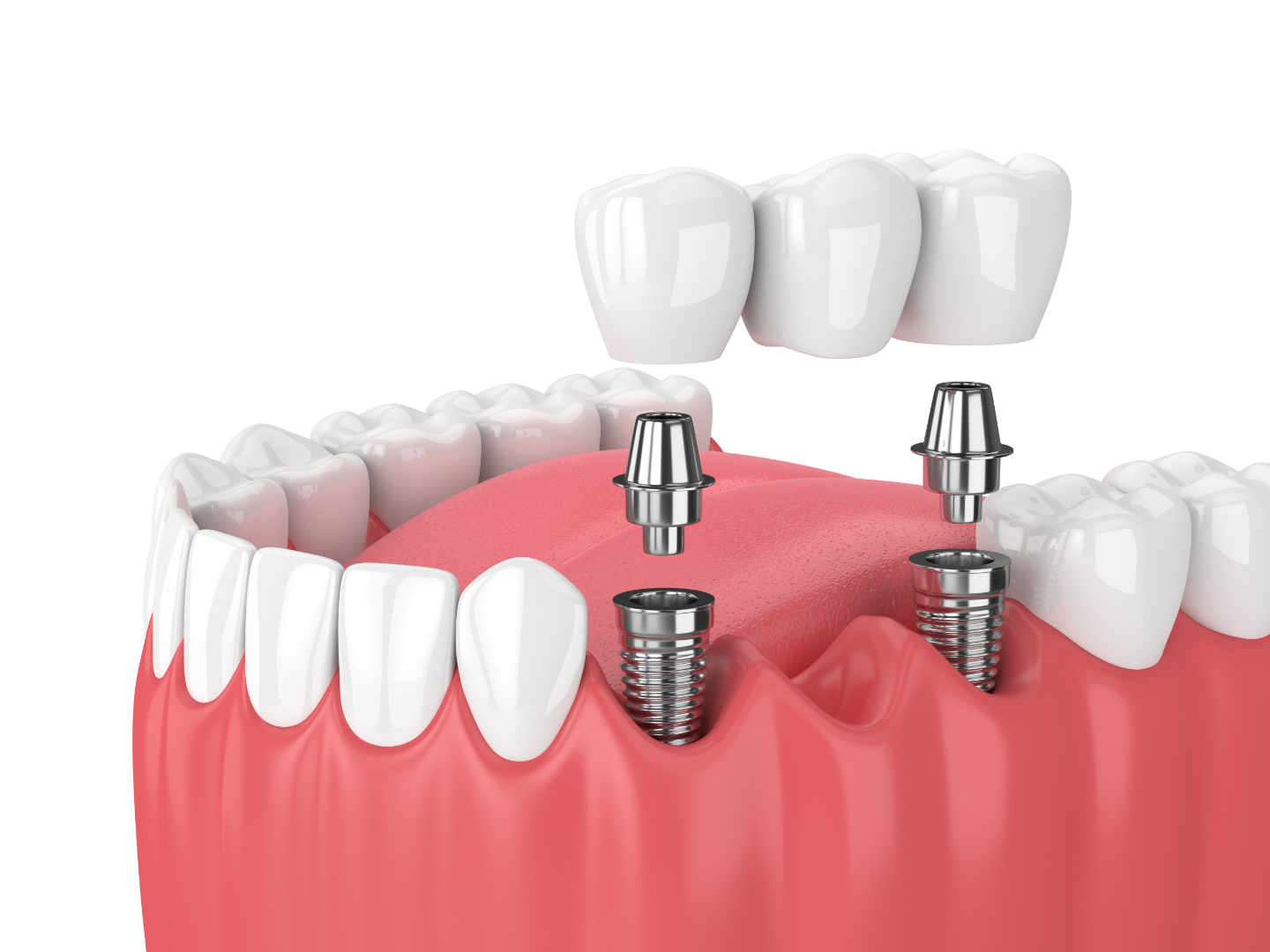
Full-mouth dental implants offer a reliable solution for people who have lost most or all of their teeth. They replace an entire row of teeth with a set of implants that look, function, and feel like natural teeth. This approach can restore comfort, confidence, and the ability to eat and speak properly.
Unlike traditional dentures, full-mouth implants are fixed in place, providing stability without slipping. The procedure uses sturdy titanium posts anchored into the jawbone, which supports a custom-made dental bridge or denture.
Patients often wonder if the process is painful or complicated. Modern techniques prioritize comfort and healing, making this treatment more accessible than ever. Learning about how it works can help people feel more confident about considering full-mouth dental implants.
What Are Full-Mouth Dental Implants?
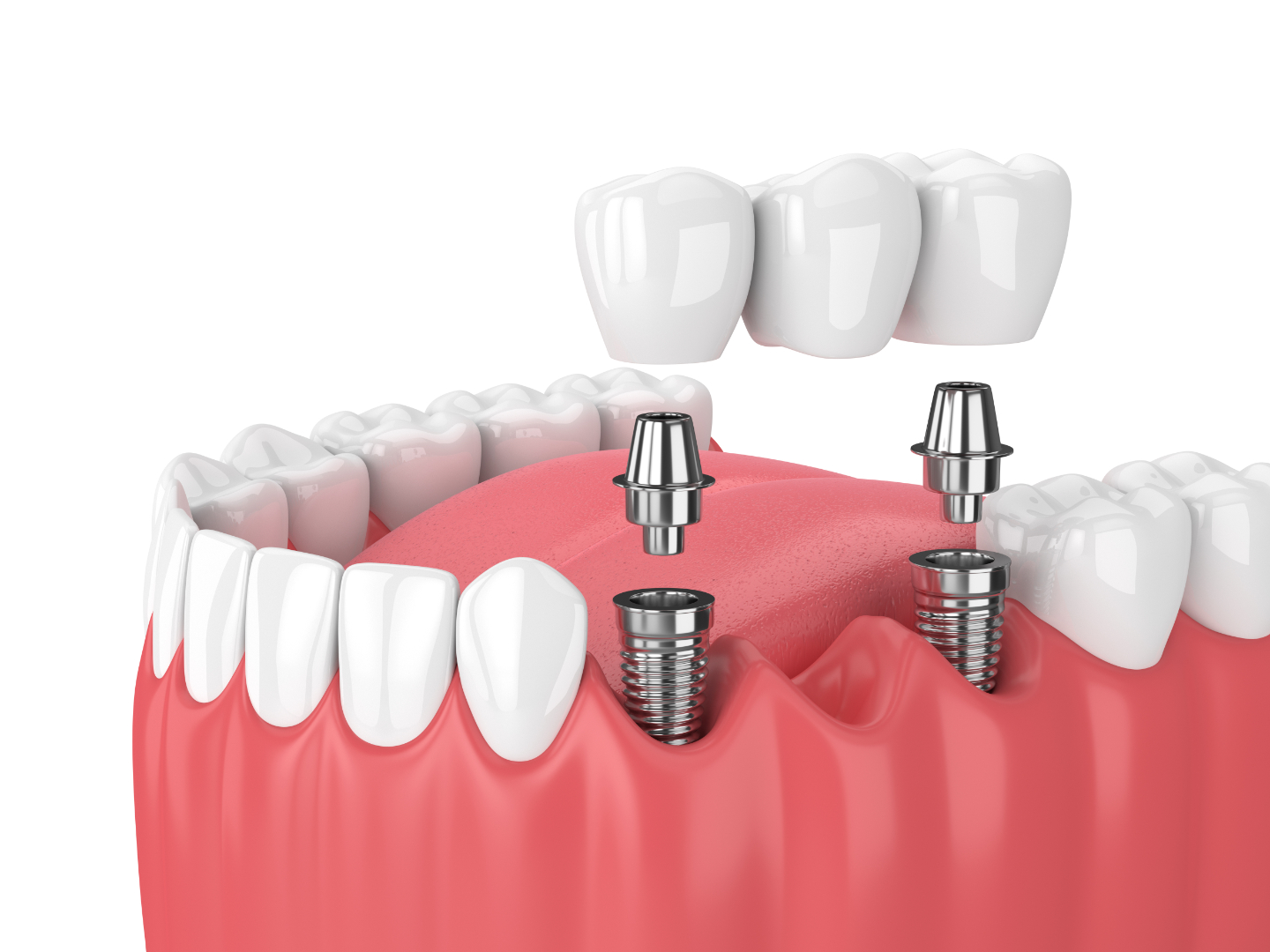
Full-mouth dental implants restore an entire arch of missing teeth using multiple implants anchored directly into the jawbone. They provide a stable foundation for replacement teeth that look and function like natural teeth. This treatment aims to improve chewing, speech, and smile aesthetics with a long-term solution.
How Full-Mouth Implants Work
Full-mouth dental implants involve placing several titanium posts into the jawbone. These act like artificial tooth roots, fusing with the bone through a process called osseointegration. After healing, a custom-made dental bridge or denture securely attaches to these implants.
Typically, 4 to 8 implants support a full arch of teeth. This spreads out chewing forces evenly and eliminates the slipping often seen with traditional dentures. The procedure may require bone grafts if there isn’t enough bone structure.
Implants vs. Dentures: Key Differences
Full-mouth implants differ significantly from conventional dentures. Unlike dentures that sit on the gums and can shift or cause sore spots, implants are fixed firmly in place. This stability improves comfort, eating ability, and speech clarity.
Dentures often require adhesives and must be removed for cleaning, whereas implant-supported teeth can be cared for like natural teeth. Implants also help preserve the jawbone, preventing the shrinkage that dentures can accelerate.
| Feature | Full-Mouth Implants | Traditional Dentures |
|---|---|---|
| Stability | Fixed to jawbone | Rest on gums, removable |
| Bone Preservation | Maintains bone | Can cause bone loss |
| Cleaning | Brushing and flossing | Removed for soaking/cleaning |
| Eating & Speech | Natural function | May affect chewing and speech |
Who Is a Good Candidate?
A good candidate has enough healthy jawbone to support implants or can undergo bone grafting to build it up. Overall health matters too; certain conditions like uncontrolled diabetes or heavy smoking can affect healing.
Candidates should have good oral hygiene habits and realistic expectations about the process. Age is less important than bone health and gum condition. A dental professional will conduct exams and imaging to determine if full-mouth implants are suitable and safe.
If someone struggles with ill-fitting dentures or wants a permanent tooth replacement, full-mouth implants could be the right choice to explore.
Benefits of Full-Mouth Dental Implants
Full-mouth dental implants offer several advantages that go beyond just replacing missing teeth. They focus on restoring function, improving oral health, and boosting self-esteem through long-lasting solutions. These benefits address key concerns like comfort, health, and daily activities such as speaking and eating.
Improved Comfort and Confidence
Full-mouth dental implants feel more natural compared to traditional dentures. Because implants fuse with the jawbone, they eliminate the slipping or discomfort often experienced with removable options. This secure fit brings a new level of confidence in social settings and daily interactions.
Patients often notice that implants reduce irritation and sore spots caused by dentures. The implants support the gum tissue gently, respecting the natural shape and sensitivity of the mouth. This creates a comfortable experience for eating, smiling, and talking without constant adjustment.
Long-Term Oral Health
Unlike bridges or dentures, full-mouth implants help preserve the jawbone. When tooth roots are missing, the bone can shrink over time, leading to changes in facial structure. Implants stimulate the bone just like natural teeth, preventing bone loss and maintaining facial shape.
This stimulation also supports healthier gum tissue. Implants allow easier cleaning between teeth compared to fixed bridges, reducing the risk of gum disease and decay. Over the long term, this leads to fewer dental problems and less need for repairs.
Speech and Chewing Improvements
Replacing all teeth with implants can dramatically improve speech clarity. Unlike removable dentures that may slip or cause clicking sounds, implants stay firmly in place. This stability helps articulate words clearly and naturally.
Chewing becomes stronger and more efficient with implants because they provide a biting force similar to natural teeth. Patients find they can eat a wider variety of foods comfortably, which contributes to better nutrition and overall health. This means enjoying meals without worrying about denture movement or pain.
Types of Full-Mouth Dental Implant Solutions
Full-mouth dental implants offer several options tailored to different needs and lifestyles. Some methods use fewer implants for support, while others combine implants with bridges or dentures for stability and comfort.
All-on-4 and All-on-6 Implants
All-on-4 and All-on-6 are popular implant protocols that use four or six strategically placed implants to support a full arch of replacement teeth. The main benefit is fewer implants, which can reduce surgery time and cost compared to placing one implant per tooth.
These implants are anchored in stable bone areas, often avoiding the need for bone grafts. After placement, a fixed prosthetic bridge is attached, giving patients teeth that feel secure and natural. These solutions usually allow for quicker recovery and a faster timeline for receiving teeth, sometimes even on the same day as surgery.
Implant-Supported Bridges
Implant-supported bridges replace multiple missing teeth using dental implants placed at specific points to support a bridge, rather than individual implants for each tooth. This method balances strength and efficiency, using fewer implants than single-tooth replacements.
Bridges are custom-made and fixed permanently, offering durability and chewing power close to natural teeth. Patients benefit from easier maintenance compared to removable options because the bridge stays in place. This solution suits those with enough jawbone but not needing a full arch replaced implant-by-implant.
Removable Implant Dentures
Removable implant dentures, or overdentures, attach to implants but can be taken out for cleaning. Usually, two to four implants anchor these dentures, providing more stability and comfort than traditional dentures.
They reduce slipping and improve chewing and speaking without the feel of loose false teeth. Since they are removable, patients find it easier to clean both the denture and gums. This option fits well for those wanting improved function without the permanence of fixed bridges or full implant restorations.
What to Expect During the Implant Process
The journey to a full set of dental implants involves careful planning, precise surgery, and a thoughtful recovery period. Each stage is designed around patient comfort and long-term success, ensuring a smooth experience from start to finish.
Consultation and Personalized Planning
The process begins with a detailed consultation. The dentist reviews the patient’s oral health, medical history, and lifestyle to create a treatment plan tailored to their needs. Digital X-rays and 3D scans map the jawbone, helping determine implant placement and the number of implants required.
During this visit, the dentist explains the steps ahead, answers questions, and discusses anesthesia options. The goal is to make sure the patient feels informed and comfortable before moving forward. A clear timeline and cost estimate are usually provided at this stage.
Step-by-Step Implant Procedure
On the day of surgery, local anesthesia or sedation helps keep the patient relaxed and pain-free. The dentist begins by preparing the jawbone, gently placing titanium implants into the bone where teeth are missing.
After implant placement, temporary teeth may be attached so the patient can eat and smile confidently during healing. This part of the process typically takes one to two hours depending on the number of implants.
The implants then begin to fuse with the bone in a process called osseointegration, which is critical for stability. This fusion provides a strong base for the final set of prosthetic teeth.
Recovery Timeline
Recovery usually involves mild discomfort, swelling, and minor bruising around the implant area for a few days. Patients are advised to eat soft foods and avoid strenuous activity during the initial healing phase.
Most people return to normal daily routines within a week, but full healing and osseointegration take about three to six months. Follow-up visits monitor healing progress and ensure the implants are integrating properly.
Once healed, the permanent crowns or bridges are attached, restoring full function and appearance. Throughout recovery, maintaining good oral hygiene helps prevent infection and supports lasting implant success.
Caring for Your Full-Mouth Dental Implants
Proper care is essential to keep full-mouth dental implants healthy and functioning well. Regular cleaning and routine dental visits help protect the implants and preserve oral health over time.
At-Home Oral Hygiene
Daily care for dental implants goes beyond brushing. Patients should use a soft-bristle toothbrush and non-abrasive toothpaste to avoid scratching the implant surfaces.
Flossing is crucial, but the use of specialized floss like implant-specific or super floss helps clean under bridges and around implants effectively. Water flossers can also be a gentle, efficient alternative.
Rinsing with an antimicrobial mouthwash assists in reducing bacteria around the implants. Avoid using harsh or alcohol-based rinses, which can irritate the gums. Attention to these steps prevents plaque buildup and gum inflammation.
Maintaining Your Results
Regular dental checkups allow the dentist to monitor the condition of the implants and surrounding tissues. Professional cleanings remove plaque and tartar that at-home care cannot reach.
Avoid habits that can damage implants, such as chewing ice, biting hard objects, or smoking. These behaviors can loosen implants or cause gum recession.
If any discomfort, swelling, or unusual changes occur, prompt consultation with the dental provider is important. Early detection of issues helps preserve implant longevity and maintains a confident smile.
Understanding Risks and Considerations
Full-mouth dental implants involve complex procedures, and understanding the potential challenges and common patient concerns helps manage expectations. The process requires careful assessment to ensure the best long-term results and comfort.
Potential Complications
Infections around implants, known as peri-implantitis, can occur if oral hygiene is not maintained. This inflammation may lead to bone loss and implant failure if untreated. Another risk is nerve damage, which, although rare, can cause numbness or tingling in the lips or chin.
Surgical complications like sinus problems may arise when implants are placed in the upper jaw near the sinuses. Additionally, not enough bone density can complicate implant placement, sometimes requiring bone grafts. Healing times vary by individual and overall health, which can impact the treatment schedule.
Common Concerns Addressed
Many patients ask about the pain involved. With modern anesthesia and sedation options, discomfort during and after the procedure is minimized. Healing soreness is typical but manageable with prescribed pain relief.
Another common question involves the durability of implants. With proper care, implants often last 15 years or more. Patients worry about food restrictions, but most can enjoy a normal diet once fully healed.
Cost and the length of treatment are also top concerns. Full-mouth implants require a significant investment, and treatment can take several months. Understanding these factors upfront helps patients feel more confident moving forward.
Cost and Financing Options for Full-Mouth Implants
Full-mouth dental implants can be a significant financial investment, but various options exist to make the treatment manageable. Understanding how insurance, payment plans, and long-term value affect the cost can help patients plan confidently.
Insurance and Payment Plans
Most standard dental insurance plans do not fully cover full-mouth implants because they are considered elective or cosmetic procedures. However, some plans may cover parts of the treatment, such as extractions or preliminary X-rays. Patients should check their policy closely and ask their dental office to file claims on their behalf.
Many dental offices offer flexible payment plans or partner with third-party lenders. These plans often allow for low or no interest monthly payments, spreading the cost over time. Some providers may require a down payment, but financing can make the upfront cost easier to manage.
Key points to ask about:
- What portions of treatment are covered by insurance?
- Are interest-free payment plans available?
- What is the length and monthly amount for financing?
Investing in Your Health
Full-mouth implants are more than just a cosmetic upgrade; they restore function and improve quality of life. Although the initial cost can be high, implants typically last much longer than alternatives like dentures.
Patients should think of the investment in terms of durability and comfort. Implants help maintain jawbone health and prevent future dental costs related to bone loss or shifting teeth.
Dental professionals encourage weighing the upfront cost against benefits like:
- Improved chewing and speech
- Reduced need for adjustments or replacements
- Enhanced confidence and wellbeing
By discussing financial options early, patients can find a path that fits their budget while gaining lasting oral health benefits.
Ready to Restore Your Smile?
When someone decides on full-mouth dental implants, they’re taking an important step toward long-term oral health and confidence. This treatment offers a stable, natural feel that can make eating, speaking, and smiling much easier.
It’s normal to have questions or concerns about the process. A dental expert will explain each step clearly—from initial consultation to recovery—ensuring patients feel comfortable every step of the way. Modern technology helps make the procedure more precise and less invasive than ever before.
Here’s what someone can expect when preparing for full-mouth implants:
- Consultation: A thorough exam to assess jawbone health and discuss individual needs.
- Planning: Customized implant placement using 3D imaging for accuracy.
- Procedure: Placement of implants followed by a healing period for integration.
- Restoration: Attaching the permanent prosthetic teeth designed to suit the patient’s mouth and smile.
Each phase focuses on comfort and function, with the dental team providing guidance on care and maintenance to protect the investment.
If a person is considering this option, scheduling a consultation is the best way to get personalized answers. It’s a chance to explore treatment possibilities and make an informed decision about restoring a healthy, confident smile.
Frequently Asked Questions
Full-mouth dental implants represent a significant investment in oral health and comfort. Understanding costs, recovery, and suitability helps patients make informed choices and anticipate what to expect.
What is the average cost of full-mouth dental implants with insurance coverage?
With dental insurance, patients often see partial coverage depending on their plan. On average, insurance may cover $3,000 to $7,000 of the total cost, which typically ranges from $20,000 to $50,000.
Coverage varies significantly; some plans focus more on restorative materials or preliminary treatments rather than implants themselves.
How does the pricing for full-mouth dental implants differ without insurance?
Without insurance, the full cost falls on the patient, often between $35,000 and $60,000. The price includes surgery, implants, abutments, and prosthetic teeth.
Additional expenses might include bone grafting or sinus lifts if needed, which raises the total amount.
What are the long-term benefits of choosing permanent full-mouth dental implants?
Permanent implants provide strong, stable teeth that function like natural ones. They help preserve jawbone density, preventing bone loss common with dentures.
They also improve chewing, speech, and self-confidence, lasting 15 years or more with proper care.
How can I find reputable clinics that offer full-mouth dental implants in my area?
Look for clinics with experienced implant specialists and positive patient reviews. Verify credentials through dental boards or professional organizations.
Scheduling consultations allows you to ask about techniques, technologies, and patient comfort measures they use.
What is the typical recovery process like after receiving full-mouth dental implants?
Recovery usually involves mild swelling and discomfort lasting up to two weeks. Patients often follow a soft-food diet and avoid strenuous activity during this time.
Regular check-ups ensure proper healing, and full integration of implants with bone can take 3 to 6 months.
Is it possible for individuals with autoimmune conditions to safely receive dental implants?
Many patients with controlled autoimmune conditions can safely get implants, but it requires careful evaluation. Coordination with a healthcare provider ensures any risks are managed.
Healing might be slower for some, so close monitoring is essential during the recovery phase.