
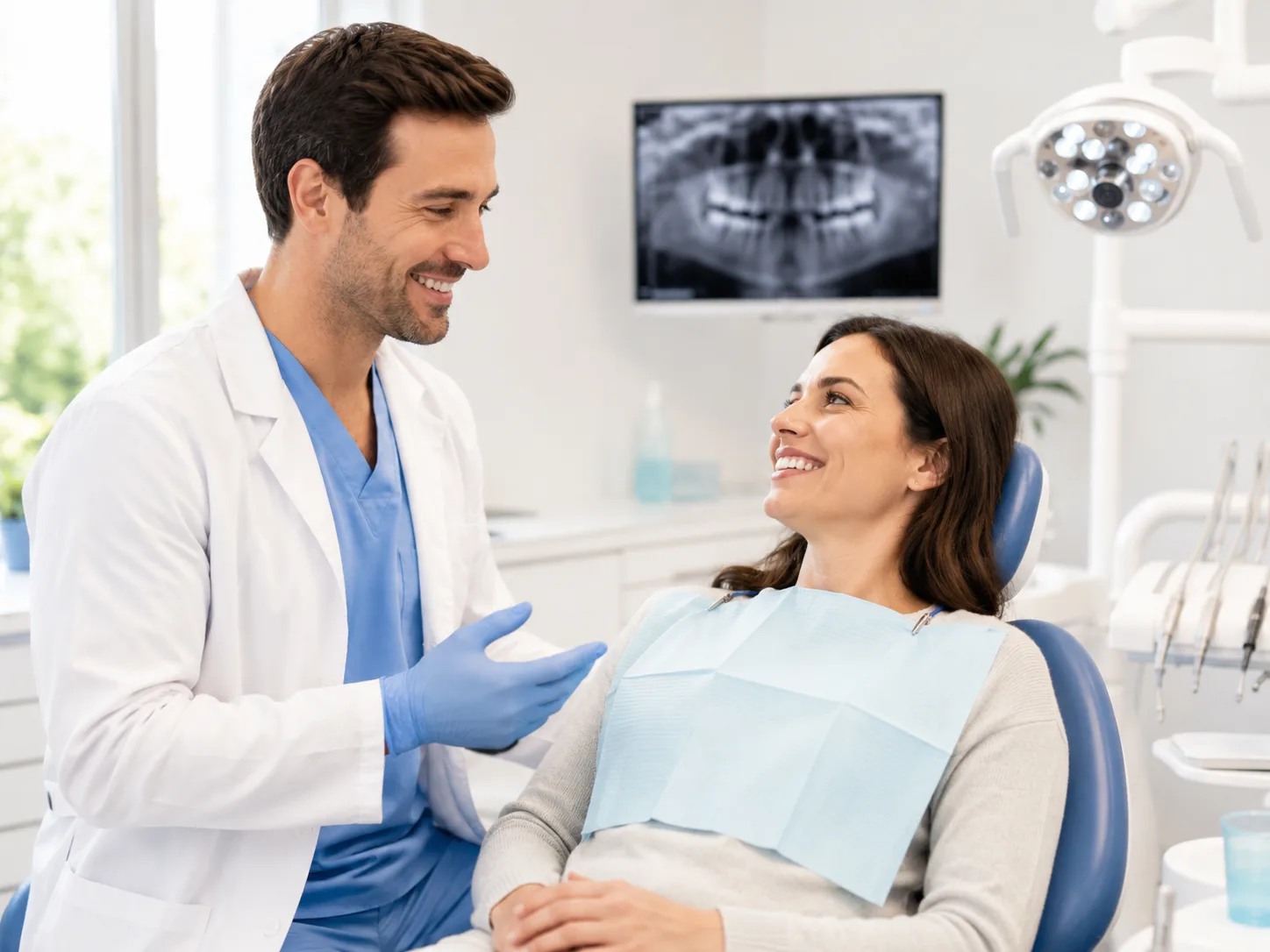
Missing teeth can affect much more than appearance. They may make it harder to enjoy certain foods, speak clearly, or smile without hesitation. Fortunately, today’s dentures offer more choices than many patients realize.
People looking for dentures in Tampa, FL, may be able to choose from traditional full dentures, partial dentures, removable implant-supported dentures, or fixed full-arch implant restorations. The right solution depends on the number of missing teeth, oral health, bone support, lifestyle, and budget.
This guide explains the main options in simple terms, including what happens during treatment and how to compare different recommendations.
This article provides general educational information and is not a diagnosis or personalized treatment recommendation. A dentist or qualified dental clinician must examine your mouth to determine which options are appropriate for you.
What Are Dentures?
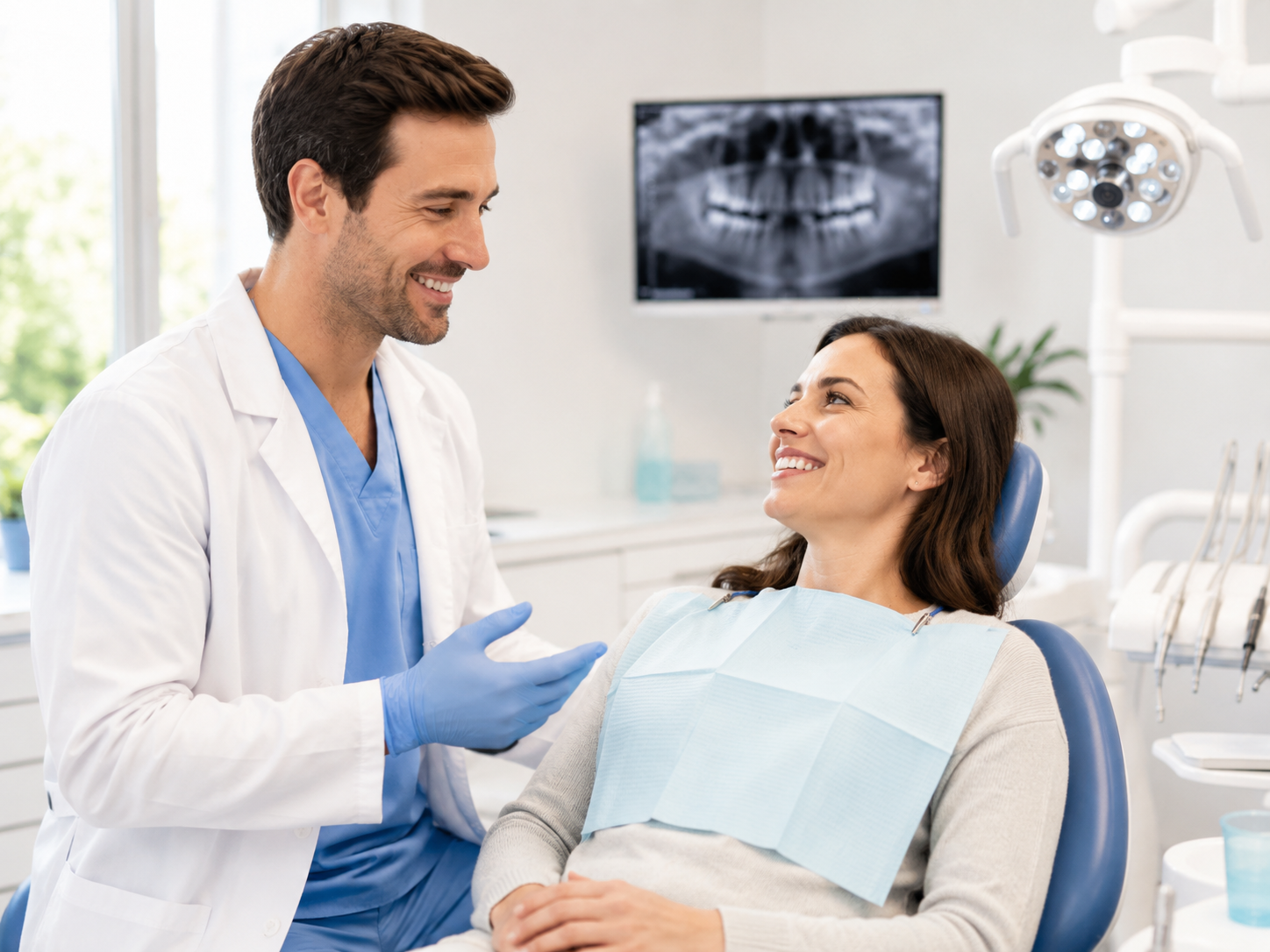
Dentures are custom-made dental appliances designed to replace missing teeth and some of the surrounding gum tissue. Depending on the design, a denture may rest on the gums, attach to remaining teeth, connect to dental implants, or remain fixed to implants.
Modern dentures can be shaped and shaded to complement a patient’s face, gums, and remaining teeth. However, appearance is only part of the goal. A well-planned restoration should also support comfortable function, clear speech, and a manageable daily care routine.
Fit matters because every mouth is different. The dentist considers the shape of the jaw, the condition of the gums, how the upper and lower teeth come together, and the way the lips and cheeks support the smile. Clinical research involving complete dentures also examines both retention and oral health-related quality of life, reflecting the importance of function as well as the patient’s overall experience.
Types of Dentures Available to Tampa Patients
Traditional Full Dentures
A full denture replaces all teeth in the upper jaw, lower jaw, or both. It rests on the gums and is removable for cleaning and sleeping unless a dentist gives different instructions.
Upper dentures often cover part of the roof of the mouth to help create stability. Lower dentures typically have a horseshoe shape that leaves room for the tongue. Because the lower appliance has less surface area for support and must compete with tongue and cheek movement, some patients find it less stable than an upper denture.
Traditional dentures do not require implant surgery. They may be a practical choice for people who prefer a removable option, do not qualify for implants, or want to avoid an implant-based procedure. They can still require periodic adjustments as the mouth changes.
Partial Dentures
A partial denture may be considered when a patient still has some healthy natural teeth. It fills spaces created by missing teeth and uses the remaining teeth for support or stability.
Partial dentures can be made with different materials and attachment styles. Some have a metal framework, while others use acrylic or flexible components. Each design has tradeoffs involving strength, thickness, appearance, repairability, and cost.
A dentist should also check whether the remaining teeth are healthy enough to support the appliance. Gum disease, decay, or a weak tooth may need attention before the final partial denture is made.
Immediate Dentures
An immediate denture is inserted shortly after designated teeth are removed. Its main advantage is that a patient does not have to leave the office without teeth during the initial healing period.
However, immediate dentures are made before the gums have fully settled. As extraction sites heal and swelling decreases, the fit can change. Adjustments, temporary lining material, a reline, or a replacement appliance may eventually be needed.
It is important to separate the timing of tooth replacement from the timing of healing. Receiving teeth on the day of extraction does not mean the gums and underlying tissues have completed healing.
Implant-Supported Removable Dentures
An implant-supported removable denture connects to dental implants placed in the jaw. Patients may hear this option called an implant-retained or “snap-in” denture. It can be removed at home for cleaning but generally offers more resistance to movement than a conventional denture.
The implants act like anchors, while the denture contains attachments that connect to them. Depending on the design, the gums may still provide some support. Attachment components can wear over time and may need professional maintenance or replacement.
Implant support may improve stability, but it does not make the restoration maintenance-free. Patients still need to clean the denture, gums, tongue, and areas around the implants carefully.
Fixed Full-Arch Implant Restorations
A fixed full-arch restoration replaces an entire row of teeth and attaches to dental implants. Although patients sometimes group this treatment with dentures, it differs from a traditional removable appliance because the patient does not take it out each day. A dental professional removes it when clinical maintenance requires it.
24 Hour Smiles is an implant-focused dental center in Tampa that offers same-day smile restoration options. “Same-day” generally refers to when a provisional set of teeth may be attached in an appropriate case. It should not be confused with completed soft-tissue healing, implant integration, or delivery of every patient’s final restoration.
Suitability depends on factors such as general health, jawbone condition, bite forces, oral hygiene, and the ability to follow recovery instructions. Not every patient is a candidate for immediate placement or immediate use of an implant restoration.
How Does a Dentist Recommend the Right Option?
There is no single best denture for everyone. A careful recommendation usually begins with a conversation about what is bothering the patient most. One person may prioritize stability while eating, while another may prefer a non-surgical and removable option.
The evaluation may include:
- A review of dental and medical history
- An examination of the gums, remaining teeth, bite, and jaw
- Dental X-rays or other imaging when clinically appropriate
- A discussion of previous denture experiences
- An assessment of smile appearance and facial support
- A review of maintenance needs, treatment stages, and costs
Patients should mention medications, tobacco or nicotine use, teeth grinding, dry mouth, and health conditions that could affect surgery or healing. This information helps the dental team plan safer, more realistic care.
What to Expect During the Denture Process
The exact process varies according to the appliance and whether teeth need to be removed. Traditional denture treatment commonly includes measurements or impressions, bite records, tooth and shade selection, a preview or fitting stage when possible, and delivery of the completed appliance.
After delivery, follow-up care is important. A small area of excess pressure can create a sore spot even when the rest of the denture fits well. Patients should not attempt to reshape a denture with household tools because this can damage the appliance and make professional correction more difficult.
Implant treatment has additional phases. These may include planning, implant placement, early symptom recovery, soft-tissue healing, integration of the implant with the jawbone, and completion of the final restoration. Those phases do not all finish at the same time. Some qualified patients may receive temporary teeth early in the process while biological healing continues underneath.
Adjusting to New Dentures
New dentures can feel unfamiliar at first. The lips, cheeks, and tongue must learn how to work around the new shape. Mild changes in speech, increased saliva, and tenderness can occur during the adjustment period.
These practical habits may make the transition easier:
- Begin with softer foods cut into small pieces.
- Chew slowly and use both sides when possible.
- Practice reading aloud to become comfortable with speech.
- Follow the dentist’s instructions about removal at night.
- Attend recommended adjustment visits rather than tolerating persistent pain.
A denture should not cause ongoing wounds or severe pain. A clinician should evaluate persistent sores, looseness, clicking, difficulty eating, or a sudden change in fit.
How to Care for Dentures and Oral Tissues
Removable dentures should be cleaned every day with products and tools recommended for the appliance. Regular toothpaste can be too abrasive for some denture materials, and hot water may distort the shape.
After removing the denture, patients should gently clean their gums, tongue, and any remaining natural teeth. Implant attachments also require close attention because plaque can collect around them.
Dental visits remain important even when no natural teeth are present. A clinician can examine the oral tissues, evaluate the bite, check the denture for wear or damage, and identify changes that may not be obvious at home.
What Affects the Cost of Dentures in Tampa, FL?
The cost of dentures in Tampa, FL, varies because the word “denture” can describe several very different treatments. A basic removable appliance and a fixed full-arch implant restoration do not involve the same materials, procedures, or laboratory work.
Common cost factors include:
- Whether the restoration is full, partial, removable, or fixed
- The materials and level of customization
- The number and condition of remaining teeth
- Any necessary extractions or preparatory care
- The need for implants, imaging, or sedation
- Temporary appliances, relines, and follow-up adjustments
- What dental insurance may cover
When comparing estimates, patients should ask for a written breakdown. It should explain whether the fee includes extractions, temporary teeth, implant components, adjustments, the final restoration, and follow-up care. The lowest initial quote is not always the lowest total treatment cost if important stages are listed separately.
Questions to Ask at a Denture Consultation
- Which options are appropriate for the current condition of the mouth?
- Will the appliance be removable or fixed?
- What should the patient expect while eating and speaking?
- Are extractions or other procedures necessary first?
- If implants are recommended, is a temporary restoration possible?
- When is the final restoration expected in the treatment sequence?
- What home care and professional maintenance will be required?
- Which services are included in the estimate?
- What alternatives are available if the preferred option is unsuitable?
Frequently Asked Questions About Dentures
Do dentures look natural?
Modern dentures can be customized for tooth shade, size, position, and gum color. Natural-looking results depend on thoughtful planning, appropriate materials, and communication between the patient, dentist, and dental laboratory.
Can a person eat normally with dentures?
Many people eat a varied diet with dentures, but adapting takes practice. Some hard, sticky, or difficult-to-chew foods may remain challenging, especially with a conventional lower denture. Implant support may provide greater stability for eligible patients, although individual results differ.
Do dentures last forever?
No. Denture materials experience wear, and the mouth can change over time. An appliance may eventually need adjustment, relining, repair, or replacement. Regular evaluations help identify changes before they become larger problems.
Can dentures be repaired at home?
Home glue and do-it-yourself repair kits can damage a denture or create an unsafe fit. A dental office or qualified laboratory should evaluate cracks, broken teeth, and other damage.
Are implant-supported dentures the same as fixed teeth?
Not always. Some implant-supported dentures snap onto implants but remain removable. Fixed full-arch restorations stay attached and are removed only by a dental professional. Patients should ask which design is being recommended.
Can teeth really be replaced in one day?
Some qualified patients may receive a temporary denture or provisional implant-supported teeth on the day of a procedure. This does not mean all healing is complete or that the provisional teeth are necessarily the final restoration. Candidacy and treatment stages must be confirmed through an examination.
Explore Denture and Full-Arch Options in Tampa
Replacing missing teeth is a personal decision, and patients deserve a clear explanation of all reasonable choices. Traditional dentures may provide a straightforward removable solution, while implant-supported options may offer additional stability for those who qualify.
24 Hour Smiles in Tampa, FL, focuses on implant-based smile restoration, including full-mouth implant options. A consultation can help determine whether a removable denture, an implant-supported appliance, or a fixed full-arch restoration fits the patient’s health, priorities, and budget.
If missing teeth or an unstable denture are affecting everyday life, consider contacting the practice with questions or scheduling an evaluation. A personalized examination is the best next step toward understanding what is possible.