
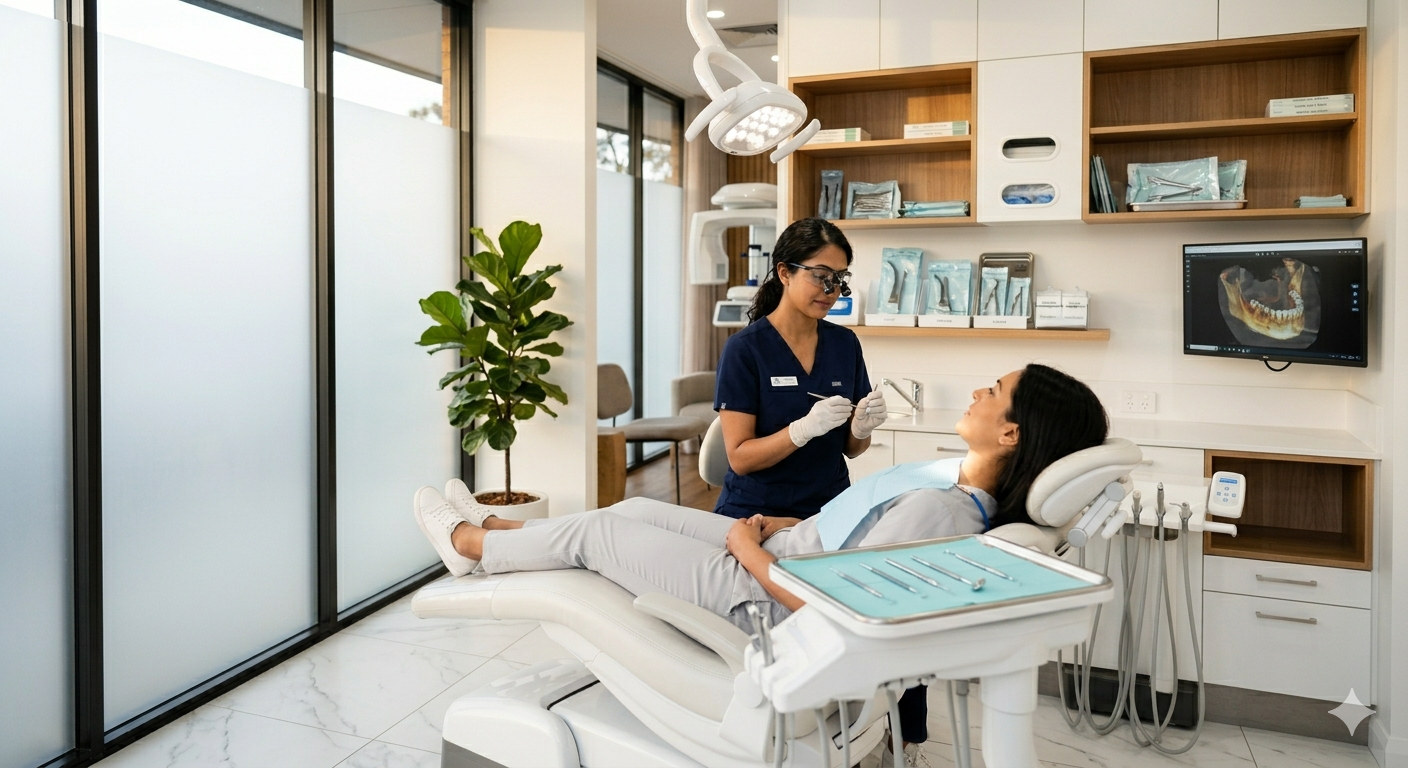
Dental implants in Tampa, FL offer a reliable solution for those missing teeth, restoring both function and confidence. They work by securely anchoring a replacement tooth directly into the jawbone, providing a natural look and feel that can last for many years. This makes them a popular choice for people seeking a long-term fix beyond dentures or bridges.
Modern dental implant procedures in Tampa focus heavily on patient comfort and precision. Many clinics use advanced technology to plan and place implants gently, ensuring minimal discomfort and faster healing. Understanding these benefits can help individuals decide if implants are the right option for improving their smile and oral health.
If someone is curious about the implant process or wants to know how it fits their lifestyle, Tampa dental experts are ready to provide personalized advice. Asking questions and exploring options can make the journey toward a healthier, stronger smile much easier.
What Are Dental Implants?
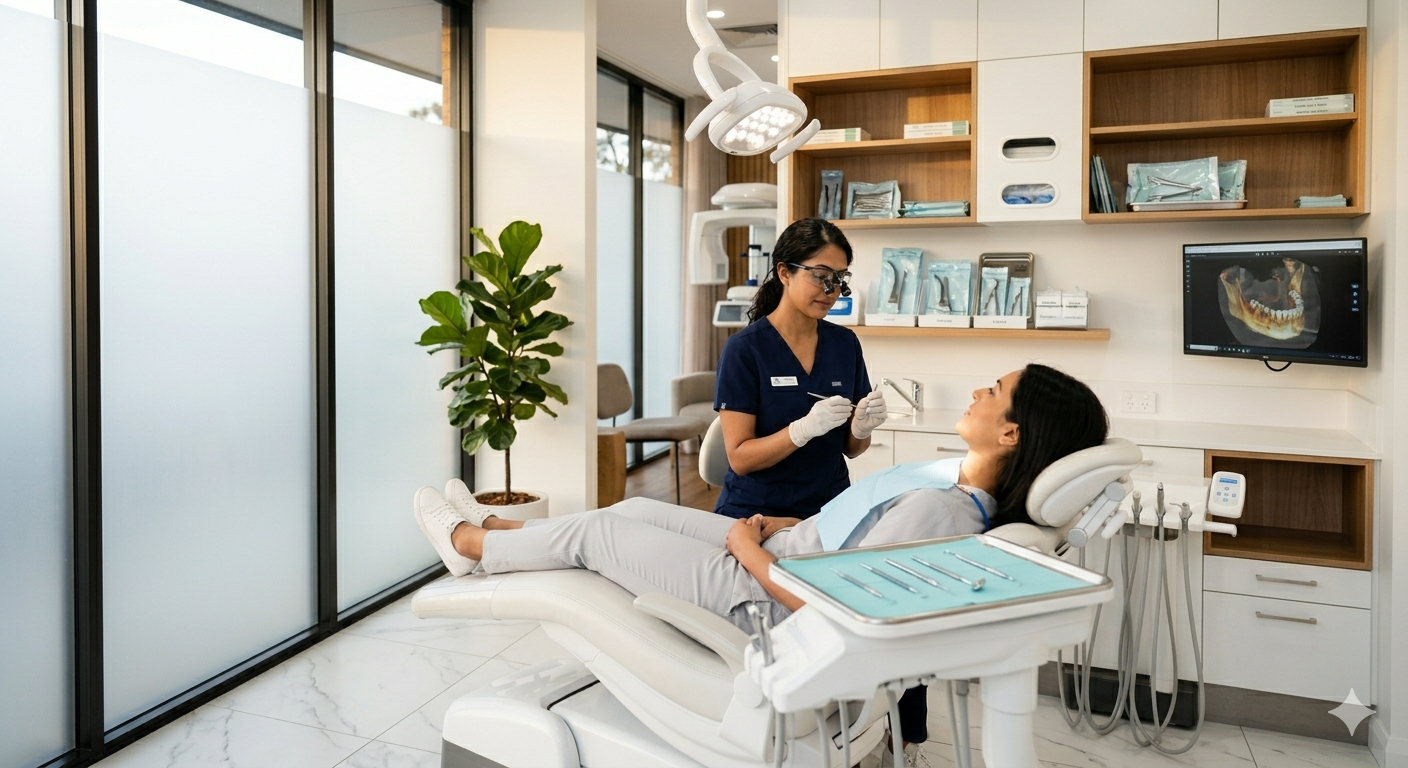
Dental implants are small, titanium posts that are surgically placed into the jawbone to serve as a stable foundation for replacement teeth. They act like tooth roots and provide strong support for crowns, bridges, or dentures.
This modern solution is designed to look, feel, and function like natural teeth. Implants help preserve the jawbone, preventing the bone loss that often occurs after tooth loss.
Here’s a simple breakdown of how dental implants work:
- Implant post: A titanium screw inserted into the jawbone.
- Abutment: A connector piece placed on the implant post.
- Crown: The visible tooth-shaped cap attached to the abutment.
Because the implant fuses with the bone through a natural process called osseointegration, it becomes very secure. Patients find they can eat, speak, and smile comfortably without worrying about slipping or discomfort.
Dental implants are suitable for many people, especially those missing one or more teeth. A consultation with a dentist in Tampa can help determine if implants are the right choice and explain what to expect during the process.
Benefits of Dental Implants in Tampa, FL
Dental implants offer reliable and effective options for tooth replacement that support both function and appearance. Many find they improve daily comfort and contribute to better oral care habits. The long-term durability of implants makes them a practical investment for those seeking lasting solutions.
Natural Look and Feel
Dental implants are designed to closely mimic the appearance and texture of natural teeth. The titanium post integrates with the jawbone, providing a stable base that feels secure when eating or speaking. Crowns attached to implants are custom-made to match the color and shape of surrounding teeth, ensuring a seamless look.
Unlike dentures, implants don’t shift or cause discomfort. This natural fit lets patients smile confidently without worrying about slippage. The implant’s root-like structure also helps maintain facial shape by preventing bone loss.
Improved Oral Health
Implants do not require altering nearby teeth, unlike bridges that rely on adjacent teeth for support. This preserves the health and strength of the remaining natural teeth. Dental implants also help maintain jawbone density by stimulating the bone during chewing.
Proper cleaning of implants is similar to caring for natural teeth, making oral hygiene straightforward. This ease of maintenance reduces the risk of gum disease and other complications. Patients benefit from better overall oral health with implants compared to some traditional options.
Long-Lasting Solution
With proper care, dental implants can last 20 years or more, often for a lifetime. Materials like titanium are highly durable and resistant to decay. Many patients experience improved quality of life without needing frequent repairs or replacements.
Implants withstand daily activities like chewing tough foods without damage. Regular dental check-ups and cleanings help ensure implants remain healthy. The investment in dental implants pays off in durability and sustained oral function over time.
Who Is a Good Candidate for Dental Implants?
Getting dental implants requires a few important factors. Candidates should have good overall health, adequate jawbone density, and a lifestyle that supports healing. Age and dental history also play a role in whether implants will be a lasting solution.
Health and Jawbone Requirements
A person should be in good general health before getting dental implants. Chronic conditions like uncontrolled diabetes or heart disease can affect healing and increase risks. It’s important that these conditions are managed well.
The jawbone must have enough density and volume to support an implant. If bone loss has occurred due to tooth loss or gum disease, a bone graft may be needed. Healthy gums free of infection are also essential to avoid complications during healing.
Before proceeding, a dentist will evaluate bone quality using X-rays or 3D scans. This helps determine if implants will anchor securely. Healthy bone ensures the implant fuses properly with the jaw, providing a stable foundation for replacement teeth.
Lifestyle Considerations
Lifestyle habits impact the success of dental implants. Smoking reduces blood flow and delays healing, making smokers less ideal candidates or requiring extra care. Limiting tobacco use before and after surgery greatly improves outcomes.
Good oral hygiene is critical. Candidates must be committed to regular brushing, flossing, and dental visits to prevent infection around the implant. Daily care helps preserve both natural teeth and implants.
Certain medications that affect bone metabolism may interfere with healing. A dentist will review all medicines to determine if alternatives are needed before implant placement. Following all post-surgery instructions is vital for long-term success.
Age and Dental History
There is no upper age limit for dental implants, as long as the gums and bone are healthy. Older adults often benefit from implants as a solution for missing teeth, improving function and confidence.
However, implants are usually not recommended for children or teenagers until jaw growth is complete. Early placement can lead to implant misalignment as the jaw continues to develop.
A history of gum disease or past dental infections needs careful evaluation. Treating these conditions before implants improves the chances of success. Scar tissue and previous extraction sites are also assessed to ensure a stable foundation for new implants.
The Dental Implant Process
Getting a dental implant involves several carefully planned steps. Each stage is designed to ensure comfort, proper healing, and a strong foundation for a natural-looking tooth replacement. Understanding the timeline can help reduce any anxiety about the treatment.
Initial Consultation
During the initial consultation, the dentist evaluates the patient’s overall oral health. They will take X-rays and 3D images to assess bone quality and determine if the jawbone can support an implant. If there’s insufficient bone, a graft might be recommended first.
The dentist also discusses medical history and answers any questions about the procedure. This visit is important for creating a personalized treatment plan and setting realistic expectations. Patients will typically learn about costs, timelines, and post-surgery care.
Implant Placement Procedure
The implant placement itself is a minor surgery performed under local anesthesia for comfort. The dentist drills a small hole in the jawbone and inserts a titanium post, which acts as the implant’s root. Titanium is used because it bonds well with bone.
After placing the implant, the area is stitched up, and the healing process begins. The procedure usually takes about one hour per implant but can vary depending on the individual case and the number of implants.
Healing and Recovery
Healing time varies but generally lasts 3 to 6 months. During this period, osseointegration occurs—where the bone grows around the implant, anchoring it securely. Patients might experience minor swelling or soreness, which can be managed with over-the-counter pain relievers.
Regular check-ups monitor healing progress. It’s important to maintain good oral hygiene and avoid putting pressure on the implant site. Eating soft foods and refraining from smoking helps promote faster recovery.
Attaching the Final Crown
Once the implant has fully integrated with the bone, the dentist attaches an abutment to the post. The abutment serves as the connector between the implant and the crown. Impressions are taken to create a custom crown that matches the color and shape of surrounding teeth.
The crown is then securely fitted, restoring both function and appearance. It allows for normal biting and chewing without discomfort. Patients leave with a long-lasting, stable tooth replacement designed to blend naturally with their smile.
Types of Dental Implants Available
Dental implants come in different forms to address specific dental needs, from replacing a single tooth to restoring an entire arch. Each type offers unique benefits depending on the patient’s situation and oral health goals.
Single Tooth Implants
Single tooth implants are designed to replace one missing tooth. They consist of a titanium post inserted into the jawbone, topped with a custom-made crown that matches the natural teeth in color and shape. This option is highly durable and preserves surrounding teeth since it doesn’t rely on neighboring teeth for support.
Patients appreciate that single tooth implants feel stable and look natural. The implant stimulates the jawbone, preventing bone loss commonly associated with missing teeth. Healing typically takes a few months, allowing the post to fuse securely to the bone before placing the crown.
Implant-Supported Bridges
Implant-supported bridges replace multiple missing teeth in a row without requiring a separate implant for each gap. Instead, two or more implants anchor a bridge, which is a set of connected crowns. This option is ideal when several teeth are lost but the patient wants to avoid a full denture.
These bridges provide stronger chewing ability and better comfort than traditional dentures. They also help maintain bone health and face structure by distributing bite forces more evenly compared to removable solutions. Implant-supported bridges can be fixed or removable depending on the design.
Full Arch Solutions
Full arch dental implants restore all teeth on the upper or lower jaw using just a few implant posts. Techniques like All-on-4 or All-on-6 use strategically placed implants to anchor a full arch prosthesis. This approach offers a permanent, denture-like replacement that feels secure and natural.
Patients often choose full arch solutions to regain full function, avoid loose dentures, and improve confidence. The procedure can sometimes be completed in one day with temporary teeth, followed by permanent restorations after healing. This method reduces treatment time and enhances quality of life.
Choosing the Right Dental Implant Specialist in Tampa
Selecting a dental implant specialist requires careful attention to their qualifications and how they prioritize patient experience. It’s important to consider not only their technical skill but also the tools and environment they provide for a comfortable, safe procedure.
Experience and Credentials
Look for a specialist with extensive experience specifically in dental implants, not just general dentistry. Board certification in implantology or oral surgery indicates advanced training and adherence to high standards.
Years of performing successful implant procedures also matter. A track record with different implant cases—such as single tooth implants, full-arch replacements, or bone grafting—shows versatility and skill.
Checking patient reviews can reveal consistency in care quality and outcomes. Also, confirm if the specialist stays current with ongoing education, as dental implant techniques and materials evolve quickly.
Patient Comfort and Technology
A modern dental office in Tampa should offer sedation options to ease anxiety during implant surgery. Techniques like nitrous oxide, oral sedation, or IV sedation help patients stay relaxed, making the process less stressful.
Advanced technology like 3D imaging (CBCT scans) allows precise planning before implants are placed. This improves safety and accuracy, reducing healing time and complications.
Comfort also means clear communication. The right specialist will explain each step plainly, answer questions patiently, and customize treatment to address your specific needs and concerns.
Cost and Payment Options for Dental Implants
Dental implants in Tampa, FL vary in cost depending on several factors, including the complexity of the procedure and materials used. Understanding the financial investment and available payment methods can help patients plan their treatment confidently.
Average Investment in Tampa, FL
In Tampa, the cost of a single dental implant usually ranges from $3,000 to $5,000. This price typically covers the implant post, abutment, and crown but can change based on additional procedures like bone grafts or extractions.
Complex cases, such as multiple implants or full-mouth restorations, naturally increase the overall price. Clinics may offer detailed treatment plans with clear cost breakdowns, helping patients understand what they are paying for at each stage.
Patients should also consider consultation fees and follow-up visits, which might be included or billed separately depending on the dental office.
Insurance and Financing Solutions
Most dental insurance plans do not fully cover implants but might pay a portion of the restoration or related procedures like extractions. Patients should contact their provider to clarify what is included.
Many Tampa dental offices offer flexible financing options, including monthly payment plans or third-party lenders like CareCredit. These options break down the cost into manageable amounts, making treatment more accessible.
Some practices also accept health savings accounts (HSAs) or flexible spending accounts (FSAs), which allow patients to use pre-tax dollars for dental care. It’s important to inquire about all available options during the consultation to choose the best fit for each patient’s budget.
Caring for Your Dental Implants
Maintaining dental implants requires consistent care to keep them healthy and functional. Proper habits protect both the implant and surrounding gums from infection or damage.
Daily Oral Hygiene Tips
Dental implants need the same careful attention as natural teeth. Brushing twice a day with a soft-bristle toothbrush helps remove plaque without damaging the implant surface. Using a low-abrasive toothpaste prevents scratching the implant crown.
Flossing daily is equally important. Specialized implant floss or interdental brushes can clean the tight spaces around the implant post where bacteria tend to gather. Avoid harsh tools like metal picks that might weaken the implant.
Rinsing with an antimicrobial mouthwash can reduce harmful bacteria and support gum health. Hydration also aids saliva production, which naturally cleanses the mouth. Small changes, like avoiding sticky or hard foods, contribute to long-term implant stability.
Routine Dental Checkups
Regular visits to the dentist play a crucial role in implant care. Every 6 months or as advised, a dentist can check the implant’s integrity and detect problems early. X-rays may be taken to assess the bone around the implant.
Professional cleanings remove buildup that daily brushing might miss. Dentists also check for signs of gum disease or inflammation likely to affect the implant. If needed, adjustments to the implant crown or supporting structure are made to maintain comfort and function.
Patients should report any discomfort or looseness immediately. Early intervention keeps implants secure and prevents costly repairs. Scheduling consistent appointments ensures the implant remains a reliable part of the smile.
Common Concerns and What to Expect
Patients often wonder about the discomfort involved and how long dental implants last. They also want to know how to care for implants to keep them functioning well over time.
Addressing Pain and Recovery
Dental implant placement involves minor surgery, so some pain and swelling afterward are normal. Most patients describe the discomfort as manageable, similar to a tooth extraction. Dentists typically recommend over-the-counter pain relievers for the first few days.
Healing time varies, but initial recovery usually takes about one to two weeks. During this period, patients should stick to soft foods and avoid strenuous activity. Follow-up visits ensure the implant is integrating properly with the jawbone, minimizing risks and complications.
Longevity and Maintenance
Dental implants are designed to last many years, often decades, with proper care. Unlike natural teeth, implants won’t decay, but gum health remains crucial to prevent peri-implantitis, an infection around the implant.
Daily brushing and flossing become even more important after implants. Regular dental checkups and professional cleanings help maintain gum health and the implant’s stability. Avoiding smoking and managing overall health also support long-term success.
Why Consider Dental Implants in Tampa, FL?
Dental implants offer a reliable solution for those dealing with missing teeth in Tampa. They restore not only the look of a natural smile but also the function, allowing patients to eat and speak comfortably.
Tampa’s dental clinics often use the latest technology, ensuring implants are placed with precision and minimal discomfort. This modern approach helps reduce healing time and improves overall patient experience.
Many people prefer implants because they protect remaining teeth. Unlike traditional bridges, implants don’t require adjacent teeth to be altered, preserving natural tooth structure.
Here’s what makes dental implants in Tampa stand out:
- Expert care: Many dentists specialize in implant dentistry with years of experience.
- Comfort-focused: Local practices prioritize pain management and patient comfort.
- Customized treatment: Each implant plan is tailored to individual needs and lifestyle.
Patients in Tampa also benefit from easy access to follow-up care and routine check-ups, which help maintain the health of implants long-term.
If someone is considering dental implants, discussing options with a local dental professional can clear up concerns and guide them toward the best choice for their smile.
Take the Next Step Toward a Healthier Smile
Choosing dental implants in Tampa, FL can be the start of a more comfortable and confident smile. Implants offer a natural look and feel, supporting both chewing function and jawbone health.
Patients often appreciate that modern implant procedures are designed with comfort in mind. Many offices use advanced technology and sedation options to make the experience as smooth and pain-free as possible.
Here’s what someone considering implants can expect:
| Step | What It Involves |
|---|---|
| Consultation | Discuss goals and evaluate oral health |
| Treatment Planning | Customized plan fitting their needs |
| Implant Placement | Precise placement with minimal discomfort |
| Healing & Integration | Time for the implant to bond with bone |
| Final Restoration | Custom crown or bridge for lasting results |
It’s normal to have questions about the process or recovery. A friendly dental team will explain all details and support patients every step of the way.
Encouraging regular checkups and proper oral hygiene after implants helps maintain a healthy smile long term. Talking with a trusted Tampa implant specialist can clarify treatment options and ease concerns.
They invite anyone curious about dental implants to schedule a consultation, where they can explore the best path forward for restoring a strong, healthy smile.
Frequently Asked Questions
Dental implants can seem complicated, but knowing the basics about cost, treatment options, and what to expect helps ease the process. Patients often ask about affordability, choosing the right dentist, and special health considerations.
How much do dental implants typically cost, and what factors can change the price?
Dental implant costs in Tampa, FL, usually range from $3,000 to $6,000 per implant. Prices vary based on factors like the type of implant, bone graft needs, and the dentist’s experience.
Additional procedures, such as sinus lifts or extractions, can increase costs. Insurance coverage and geographic location also influence final prices.
Are there affordable ways to pay for implants, like financing or phased treatment plans?
Many dental offices offer financing options or payment plans to spread out costs over time. Some practices may recommend phased treatment, completing implant steps gradually to manage expenses.
Patients can also explore CareCredit or similar third-party lenders for dental-specific financing.
How do I choose the right implant dentist, and what should I look for in reviews and credentials?
Look for dentists with specific training in implant dentistry or oral surgery certifications. Positive patient reviews focused on comfort, communication, and successful outcomes are key.
Checking before-and-after photos and confirming the dentist uses modern technology shows professional care quality.
What is the step-by-step implant process, and how long does it usually take from start to finish?
The process begins with a consultation and imaging. Next, the implant is surgically placed in the jawbone. After healing (which can take 3 to 6 months), the abutment and crown are attached.
Total treatment time varies but often takes several months due to healing between steps.
Can I get dental implants if I have an autoimmune condition or take immune-suppressing medications?
Autoimmune conditions or immune-suppressing medications don’t automatically disqualify patients. However, these factors require close evaluation to ensure proper healing and implant stability.
Dentists may coordinate care with medical providers to minimize risks during the implant process.
What does the “3/2 rule” mean for implant placement, and why does it matter for long-term stability?
The “3/2 rule” refers to placing implants with at least 3 mm between each implant and 2 mm from adjacent teeth. This spacing helps maintain healthy bone and soft tissue.
Proper spacing reduces risks like bone loss and ensures a stronger, longer-lasting implant result.