
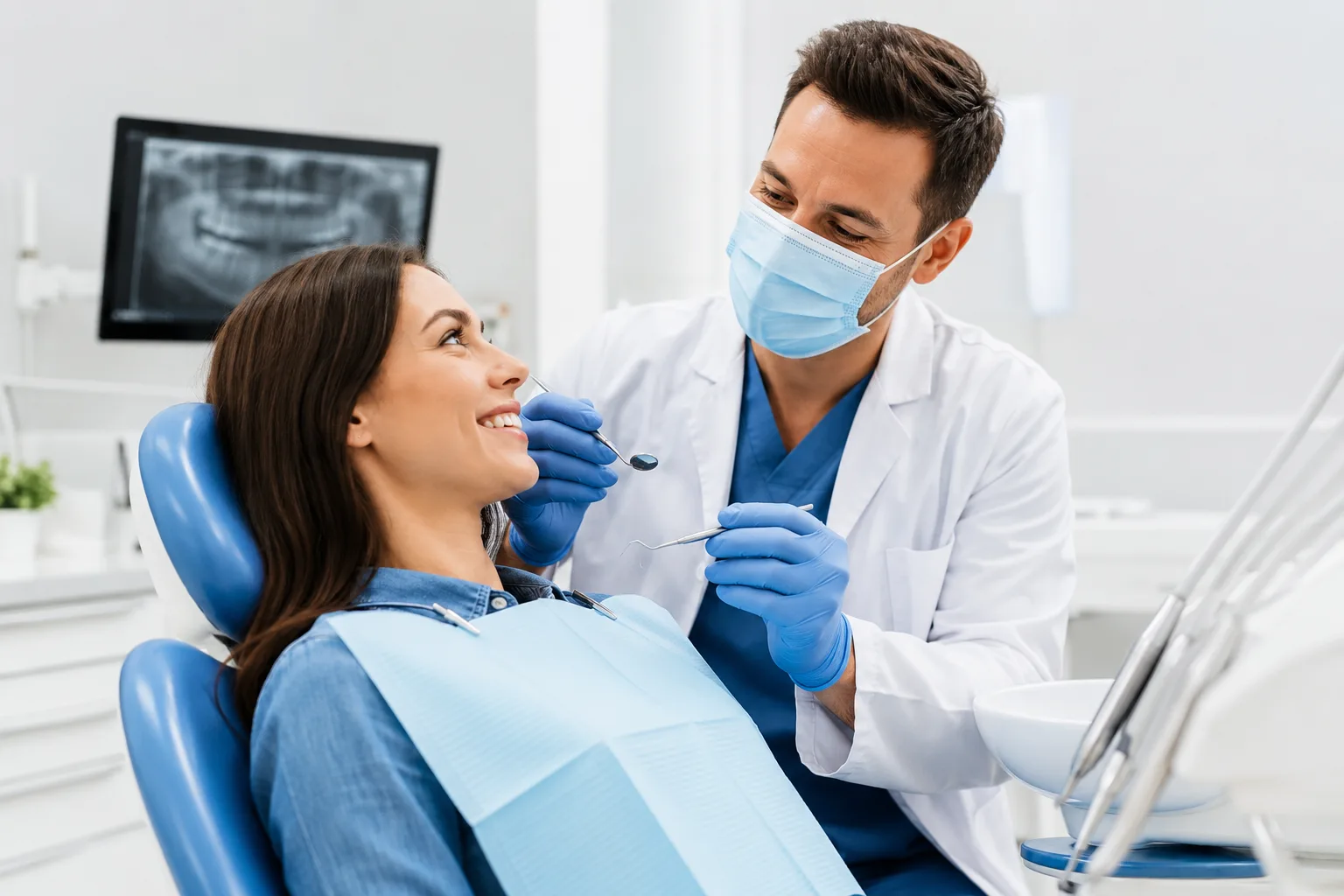
Living with missing or failing teeth can make everyday moments—eating lunch, speaking clearly, or smiling for a photo—feel more difficult than they should. For some patients, a treatment commonly called “Teeth in a Day” may provide a faster path to a complete-looking smile.
The name sounds simple, but the treatment involves careful planning, dental implant placement, a same-day provisional restoration, and continued healing. Understanding each stage can help patients searching for teeth in a day in Tampa, FL make informed decisions and set realistic expectations.
This article provides general education and is not a diagnosis or personalized treatment recommendation. A qualified dental clinician must evaluate oral health, medical history, and imaging to determine whether dental implants are appropriate.
What Does “Teeth in a Day” Mean?
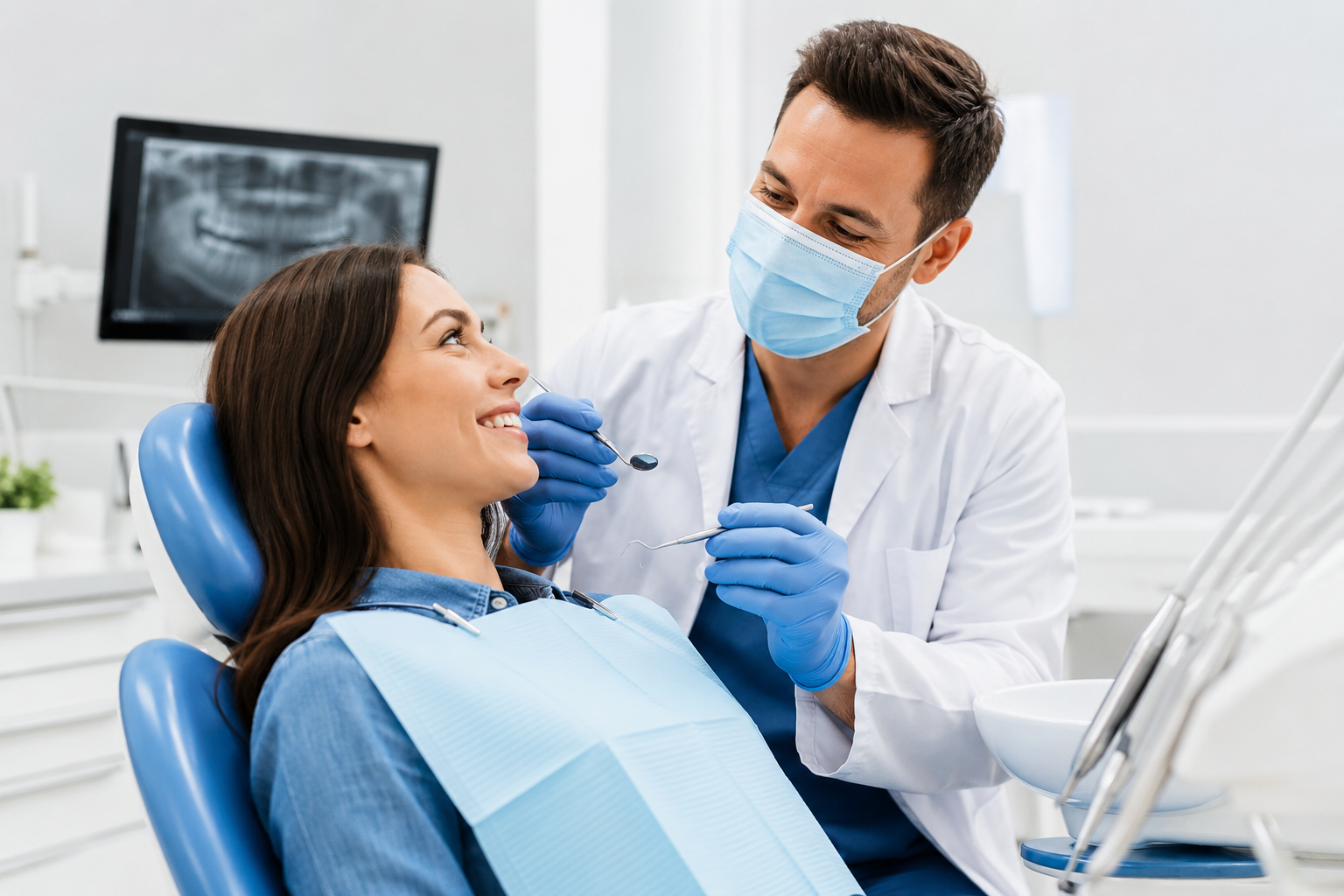
Teeth in a Day generally refers to an implant treatment in which dental implants and a fixed provisional set of teeth are placed during the same treatment period. For a full-arch restoration, several implants support a connected row of replacement teeth rather than using one implant for every missing tooth.
Patients may also hear terms such as same-day dental implants, immediate-load implants, full-arch implants, or All-on-4®. These phrases can describe related approaches, but they are not always interchangeable. The number and position of implants, restoration design, and treatment sequence depend on the individual patient.
24 Hour Smiles describes full-arch restoration options that include All-on-4® and other implant-supported solutions for patients replacing multiple teeth or an entire arch.
Same-day teeth are not always the final teeth
One of the most important details is the difference between a provisional restoration and the final restoration. “Teeth in a Day” usually means an eligible patient can leave with fixed, functional-looking provisional teeth. It does not necessarily mean every phase of treatment is complete that day.
The provisional restoration protects the treatment plan while the mouth heals and the implants integrate with the surrounding bone. After the clinician confirms that healing and implant stability are progressing appropriately, the final restoration can be designed and delivered.
Who May Be a Candidate?
Teeth in a Day may be considered for someone who has lost most or all teeth in an arch, has severely damaged teeth, struggles with removable dentures, or expects to need extensive tooth removal. However, wanting a faster solution does not automatically make same-day loading appropriate.
A dental implant team may evaluate:
- The amount, shape, and condition of available jawbone
- The health of the gums and remaining teeth
- The location of nerves and sinus spaces
- Bite forces and tooth-grinding habits
- Smoking or nicotine use
- Medical conditions and medications that may affect treatment
- The patient’s ability to follow dietary and home-care instructions
Some patients need additional procedures or a different implant timeline. Others may benefit from a removable or alternative fixed option. The safest recommendation comes from a detailed examination rather than a one-size-fits-all treatment package.
What Happens During the Teeth-in-a-Day Process?
Although the procedure day receives the most attention, successful treatment begins well before implant placement and continues afterward.
1. Consultation and records
The first visit typically includes a conversation about the patient’s concerns, goals, health history, and current dental condition. The team may take photographs, digital scans, X-rays, or three-dimensional imaging to study the teeth, bone, bite, and nearby anatomy.
This is also the time to discuss comfort options, treatment alternatives, expected fees, and what the quoted price includes. Patients should feel comfortable asking why a specific approach is being recommended.
2. Personalized treatment planning
The clinician uses the examination and imaging to plan implant positions and determine whether immediate provisional teeth are reasonable. The plan may also address tooth removal, the shape of the provisional restoration, implant number, restorative materials, and any additional procedures.
A responsible plan should include alternatives and contingencies. For example, if an implant does not achieve the stability needed for immediate loading, the team may need to modify the provisional restoration or healing approach.
3. Procedure day
Depending on the plan, damaged teeth may be removed before the dental implants are placed. A provisional set of teeth is then attached when the clinical conditions allow it. The dental team should provide clear instructions about eating, cleaning, medications, and symptoms that warrant a call.
No procedure is completely risk-free. Questions about infection, implant integration, prosthetic complications, speech, comfort, and follow-up deserve a clear discussion. Clinical literature on immediate jaw-reconstruction workflows treats these as distinct outcomes that require monitoring rather than assuming that same-day tooth placement completes the entire process.
4. Early symptom recovery
Early recovery refers to the period when swelling, tenderness, bruising, or minor bleeding may occur. The experience varies with the extent of treatment and the patient’s health. These symptoms are different from deeper bone healing.
Patients should follow their own clinician’s instructions instead of relying on a generic online schedule. Worsening pain, persistent bleeding, fever, unusual drainage, a loose restoration, or any other concerning change should be reported promptly.
5. Soft-tissue healing and osseointegration
As early symptoms settle, the gum tissue continues to heal. At the same time, osseointegration—the biological process through which bone stabilizes the implant surface—continues beneath the gums. A smile may look complete while this deeper healing is still underway.
That is why dietary restrictions and follow-up visits matter. The provisional teeth should not be treated as though healing has already finished. The clinician will monitor the implants, tissues, bite, and restoration during this phase.
6. Final restoration
The full treatment is complete only after healing has been evaluated and the final restoration has been delivered. The dental team may refine the bite, tooth shape, shade, speech, and cleaning access before completing the final prosthesis.
These phases should remain separate in a patient’s expectations: feeling better after the procedure, gum healing, implant integration, and receiving the final teeth are not the same milestone.
Potential Benefits and Important Tradeoffs
The main appeal of Teeth in a Day is the possibility of receiving fixed provisional teeth without spending an extended period without a smile. It may also reduce dependence on a removable temporary denture during healing.
For suitable patients, an implant-supported restoration may offer improved stability compared with a traditional removable denture. It can also be designed to restore a natural-looking smile and practical day-to-day function.
However, “same day” should not be confused with instant healing or guaranteed results. Implant treatment requires surgery, ongoing maintenance, careful cleaning, and periodic professional care. Complications can occur, and restorations may need adjustment, repair, or replacement over time.
Patients should compare options based on health needs, long-term maintenance, materials, provider experience, and total value—not speed alone.
How Much Does Teeth in a Day Cost in Tampa?
There is no single price that applies to every Tampa patient. Cost can change based on whether one or both arches are treated, the number of implants, tooth removal, bone-related procedures, sedation, provisional and final restoration materials, laboratory work, and follow-up care.
When reviewing an estimate, patients can ask:
- Does the fee cover one arch or both arches?
- Are imaging, tooth removal, sedation, and follow-up visits included?
- Does the quote include both provisional and final teeth?
- Which material will be used for the final restoration?
- What happens if the treatment plan changes during surgery?
- Which future maintenance or repair costs are separate?
- Are financing options available, and what are the full terms?
24 Hour Smiles currently describes free dental implant consultations and flexible financing options. Availability and terms should be confirmed directly with the practice before treatment.
Caring for Implant-Supported Teeth
Implant-supported teeth still require daily care. Food and plaque can collect around the restoration and gumline, so the dental team may recommend specific brushes, flossing aids, or water-flossing techniques based on the design.
During healing, patients should follow the prescribed diet and avoid testing the new teeth with hard or sticky foods. Long-term care includes professional examinations and cleanings on a schedule chosen for the patient’s needs.
People who grind or clench should mention it during the consultation. Protecting the restoration and managing bite forces may become part of the long-term plan. Tobacco or nicotine use should also be discussed honestly so the clinician can explain individual concerns.
Frequently Asked Questions
Can patients really receive teeth in one day?
Some eligible patients can receive implants and fixed provisional teeth during the same treatment period. Candidacy depends on the examination, imaging, implant stability, health factors, and treatment plan. Final teeth are generally a later stage after the clinician evaluates healing.
Are Teeth in a Day removable?
The provisional full-arch restoration is typically secured to dental implants and is not removed by the patient like a conventional denture. A dental professional can remove it when necessary for treatment, maintenance, or repair.
Is the procedure painful?
Comfort measures are used during implant treatment, but the experience differs among patients. Tenderness, swelling, or bruising may occur afterward. Before proceeding, patients should ask what comfort options are appropriate and how postoperative symptoms will be managed.
Can someone with bone loss qualify?
Bone loss does not automatically answer the question either way. Implant position, bone distribution, anatomy, and the overall treatment design all matter. Three-dimensional imaging and a clinical examination help the dentist determine whether same-day loading, additional treatment, or another option makes sense.
How long do full-arch implants last?
No clinician can promise a specific lifespan. Longevity depends on implant integration, oral hygiene, general health, bite forces, restoration materials, professional maintenance, and other individual factors. The implants and the attached restoration are also separate components and may have different maintenance needs.
How should a patient choose a Tampa implant provider?
Patients should look for a thorough evaluation, clear explanations, transparent fees, appropriate imaging, a personalized plan, and an established follow-up process. It is also reasonable to ask who performs each stage, what happens if immediate loading is not possible, and how complications or repairs are handled.
Explore Teeth in a Day in Tampa, FL
Teeth in a Day can be an encouraging option for patients who want to move from failing or missing teeth to a fixed provisional smile with fewer transitions. The best experience begins with realistic expectations: the visible smile may change quickly, while healing, monitoring, and delivery of the final restoration continue afterward.
24 Hour Smiles is an implant-focused dental center offering same-day smile restoration options in Tampa, FL. Patients can contact the practice to ask questions and schedule a personalized implant consultation at 7720 W. Waters Ave., Tampa, FL 33615. A consultation can clarify candidacy, alternatives, fees, comfort options, and the next appropriate step toward a healthier smile.