
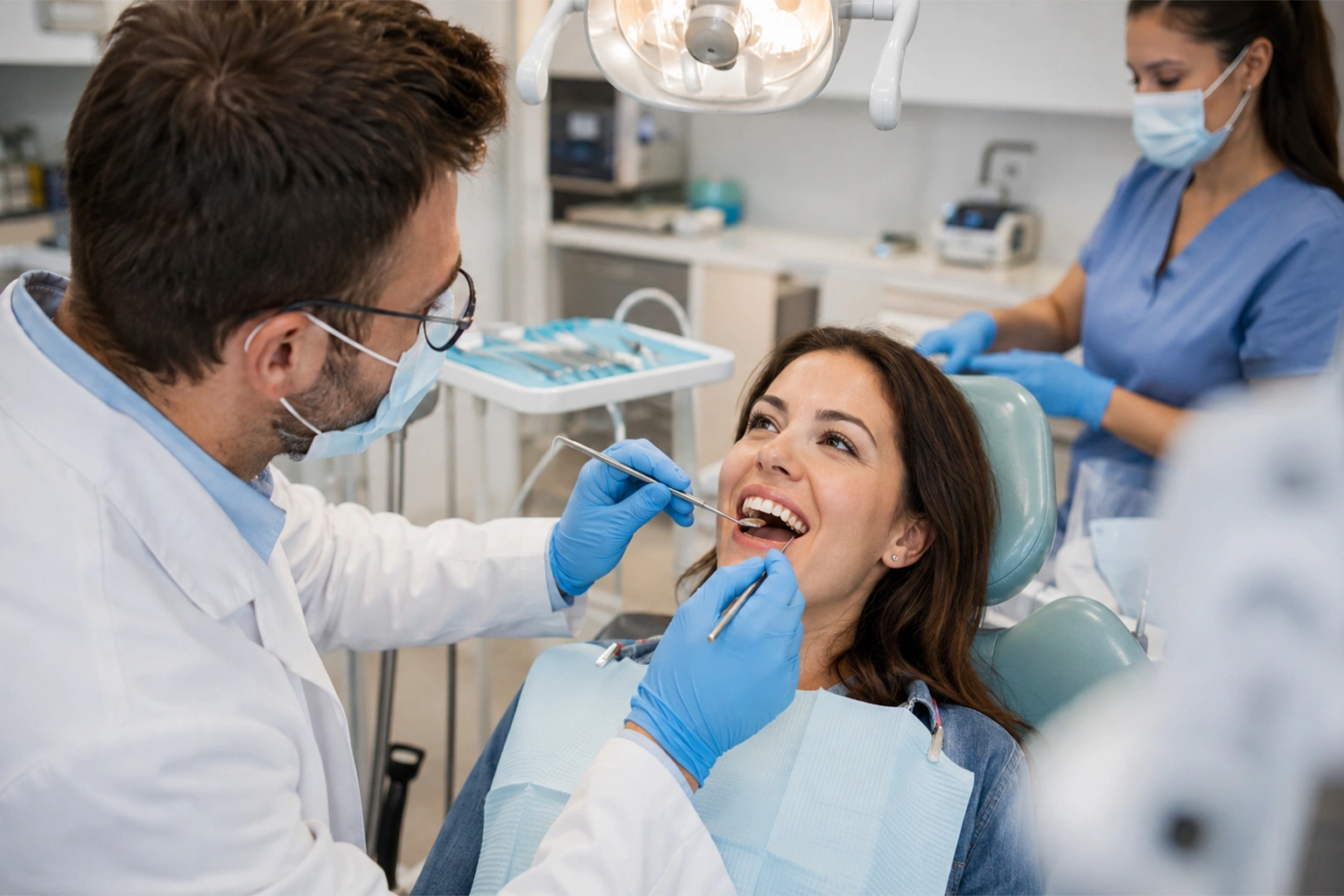
Missing teeth can affect much more than appearance. They may make eating, speaking, and smiling comfortably more difficult. For patients researching implant dentistry in Tampa, FL, understanding the available options is an important first step toward making a confident decision.
Dental implants can replace one tooth, several teeth, or an entire arch. Unlike a removable appliance that rests on the gums, an implant restoration receives support from small posts placed in the jawbone. The result is designed to look and function more like natural teeth.
However, implant treatment is not identical for every patient. Oral health, bone condition, medical history, personal goals, and budget all influence the recommended plan. This guide explains what patients can generally expect and which questions are worth asking during a consultation.
Patient note: This article provides general educational information and is not a diagnosis or treatment recommendation. A qualified dental clinician must evaluate whether implants are appropriate for an individual patient.
What Patients Should Know About Dental Implant Treatment
What Is a Dental Implant?
A dental implant is a small post placed into the jaw where a tooth root once sat. After the implant becomes stable, it can support a replacement tooth or a larger prosthetic restoration.
A single-tooth restoration commonly involves three main parts: the implant post, an abutment that connects the components, and a crown that resembles the visible tooth. Multiple implants may also support a bridge or a full-arch set of replacement teeth.
The biological process that helps create stability is called osseointegration. During this process, bone forms a close connection with the implant surface. Proper surgical technique and careful evaluation of implant stability are important because an implant that remains mobile has not achieved integration, according to an clinical review of osseointegration.
Who May Be a Candidate?
Many adults with missing or failing teeth may be considered for dental implants, but candidacy can only be determined after an examination. A dentist may assess:
- The number and location of missing teeth
- Jawbone volume and quality
- Gum and overall oral health
- Current medications and medical conditions
- Smoking or nicotine use
- Home-care habits and ability to attend follow-up visits
- Bite forces and teeth-grinding habits
Having limited bone does not automatically rule out implants. Depending on the anatomy and treatment goals, a clinician may discuss bone grafting, a different implant position, or an alternative restoration. The 24 Hour Smiles candidacy process includes an individual assessment and personalized treatment planning rather than a one-size-fits-all recommendation.
Common Implant Dentistry Options
The right restoration depends largely on how many teeth need replacement.
- Single-tooth implant: One implant supports a crown without relying on neighboring teeth for support.
- Implant-supported bridge: A small number of implants can support several connected replacement teeth.
- Implant-retained denture: Implants help stabilize a removable denture, reducing movement while eating or speaking.
- Fixed full-arch restoration: Several strategically positioned implants support a nonremovable row of replacement teeth.
24 Hour Smiles offers implant-focused care for needs ranging from a single missing tooth to full-mouth restoration. Its tooth-replacement options include full-arch and same-day approaches for appropriately selected patients.
What Happens During the Implant Process?
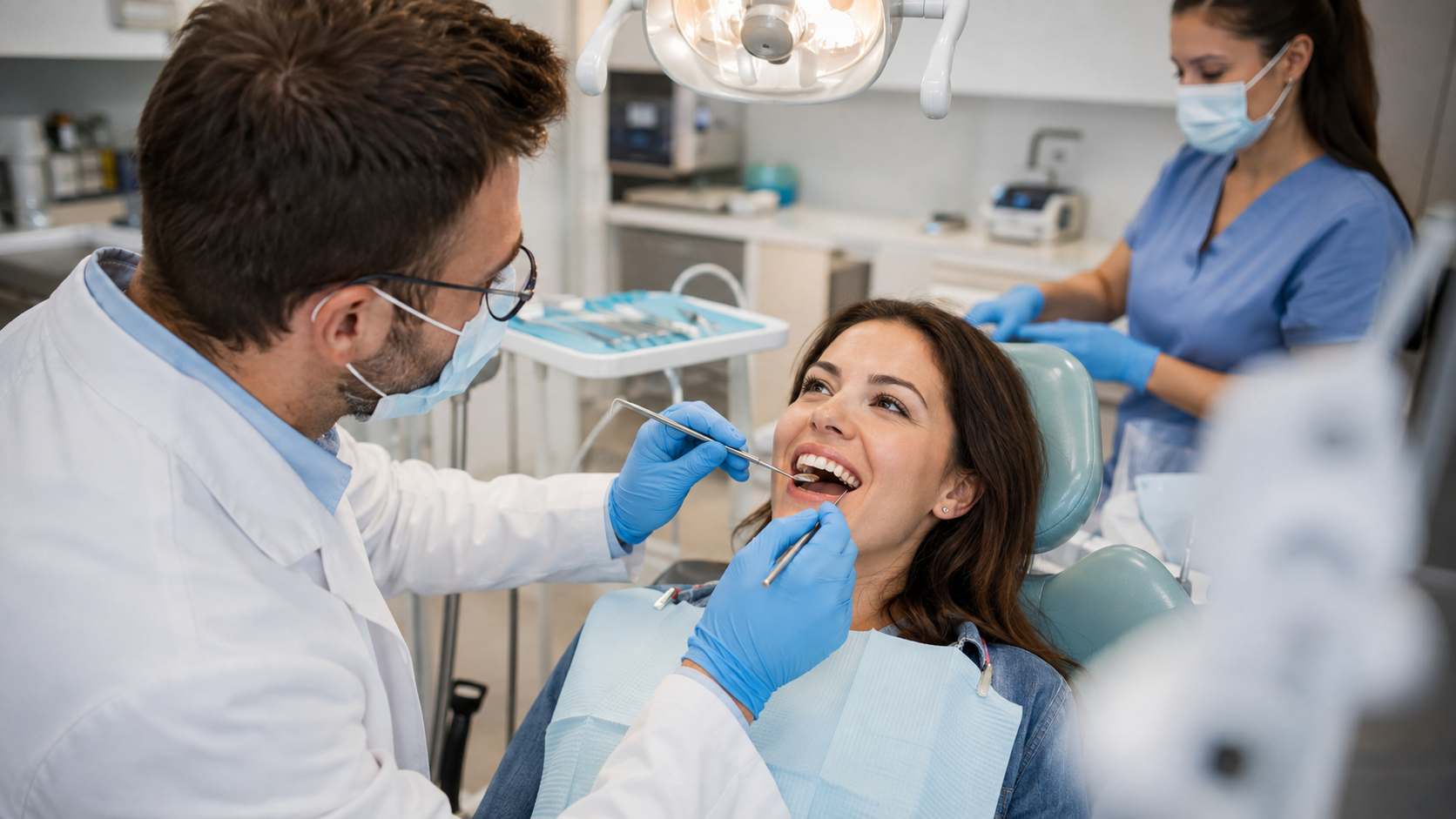
Although every plan is different, treatment generally begins with a consultation. The dental team reviews the patient’s health history, examines the mouth, evaluates diagnostic images, and discusses the desired outcome. Patients should also receive an explanation of alternatives, anticipated fees, potential risks, and maintenance needs.
If treatment moves forward, the process may include:
- Preparation: Existing infection, damaged teeth, or inadequate bone may need to be addressed first.
- Implant placement: The clinician places the implant into a planned position in the jaw.
- Early symptom recovery: Tenderness, swelling, or minor bleeding may occur soon after surgery. Patients receive individualized instructions for eating, cleaning, medication use, and activity.
- Soft-tissue healing: The gums continue to close and mature around the treatment area. Feeling better does not necessarily mean the implant has fully integrated.
- Osseointegration: The implant develops a stable connection with the surrounding bone. This is a separate biological phase from early comfort or gum healing.
- Final restoration: Once the clinician confirms suitable stability and tissue health, the definitive crown, bridge, or full-arch restoration can be completed or adjusted.
The timing of each phase varies. The full process may take longer when extractions, grafting, medical considerations, or more complex reconstruction are involved.
Does “Same-Day” Mean Fully Healed?
No. Same-day implant treatment generally refers to placing implants and attaching temporary or immediate replacement teeth during the same visit when clinical conditions permit. It does not mean the gums and bone have completed healing that day.
Patients must still follow dietary, hygiene, and follow-up instructions while osseointegration takes place. A final restoration may be delivered or refined later, depending on the treatment design. At 24 Hour Smiles, same-day smile restoration is among the implant services described on the practice’s Tampa dental implant website, but eligibility requires an individual evaluation.
Comfort, Recovery, and Aftercare
Patient comfort can involve local anesthetic, additional sedation options when appropriate, clear preoperative instructions, and a planned approach to postoperative symptoms. Patients should tell the dental team about anxiety, previous dental experiences, allergies, medications, and transportation needs before the procedure.
After placement, instructions may include eating softer foods, avoiding pressure on the surgical area, cleaning carefully, and taking prescribed or recommended medication only as directed. Because recommendations differ by procedure and health history, the treating clinician’s instructions should take priority over general online advice.
Long-term care remains essential after healing. Implant restorations cannot develop cavities in the same way natural enamel can, but plaque and inflammation can still affect the gums and supporting bone. Daily cleaning, professional maintenance, and periodic examinations help the team monitor the implant and surrounding tissues.
Potential Risks and Warning Signs
Implant dentistry has surgical and restorative risks. Possible complications include infection, altered sensation, damage to nearby structures, gum recession, mechanical problems, bone loss, or failure of the implant to integrate. A review of local complications in dental implant surgery notes that failed osseointegration can produce implant mobility and may require implant removal and further treatment.
Patients should contact their dental clinician if discomfort or swelling worsens instead of improving, bleeding is difficult to control, fever develops, drainage or a bad taste appears, or the implant or temporary restoration feels loose. Severe swelling, trouble breathing, or trouble swallowing requires urgent medical attention.
Understanding Cost and Comparing Treatment Plans
The cost of implant dentistry in Tampa, FL, varies because the phrase “dental implant” can describe very different levels of care. A single crown, an implant-supported denture, and a full-arch fixed restoration do not involve the same materials or clinical steps.
Factors that can influence the total include diagnostic imaging, extractions, bone grafting, sedation, the number of implants, temporary teeth, laboratory work, the final restoration, and follow-up care. Insurance may cover certain parts while excluding others.
Patients should request a written, itemized estimate and ask whether the quoted amount includes the implant post, abutment, temporary restoration, final teeth, and necessary preparatory procedures. Financing terms should also be reviewed carefully, including interest, payment schedules, and cancellation policies.
Questions to Ask an Implant Dentist
- What options are appropriate for this specific situation, and why?
- Is there enough healthy bone, or might grafting be needed?
- Will the teeth provided on surgery day be temporary or final?
- What type of anesthesia or sedation may be available?
- What risks are most relevant to the patient’s health history?
- Who will perform each stage of treatment?
- What is included in the written fee estimate?
- How should the restoration be cleaned and maintained?
- What happens if an implant or prosthetic component develops a problem?
Frequently Asked Questions
Are dental implants painful?
The treatment area is typically numbed for implant placement. Some soreness and swelling can occur afterward, but the experience varies with the procedure and the individual. A dentist can explain available comfort options and create an appropriate postoperative plan.
Can a person get dental implants after years of missing teeth?
Possibly. Bone and gum conditions may change after tooth loss, but diagnostic imaging can help determine what options remain. Some patients may need preparatory treatment, while others may qualify for a different implant configuration.
Can teeth really be replaced in one day?
Some qualified patients can receive implants and functional temporary or immediate teeth during one appointment. Same-day teeth are not the same as same-day biological healing, and the restoration may need to be finalized after the implant becomes stable.
How long do dental implants last?
There is no guaranteed lifespan. Longevity depends on tissue health, cleaning, professional maintenance, bite forces, tobacco exposure, medical factors, and the condition of the restoration. Even a healthy implant may eventually need a crown, bridge, or prosthetic component repaired or replaced.
Are implants better than bridges or dentures?
No option is best for every patient. Implants can provide strong support and avoid relying entirely on removable appliances, but bridges and dentures may be more suitable in certain clinical, financial, or personal circumstances. A balanced consultation should explain the benefits and limitations of each choice.
Take the Next Step With Confidence
Implant treatment can feel complicated, but a thorough evaluation can turn a long list of questions into a clear, personalized plan. Patients should understand what will happen on surgery day, what healing involves, when the final restoration is expected, and how costs are structured before consenting to care.
Those exploring implant dentistry in Tampa, FL, can contact 24 Hour Smiles in Tampa, FL to ask questions and schedule a consultation. The practice can evaluate oral health, discuss suitable tooth-replacement options, and explain the next steps without assuming that one approach fits everyone.