
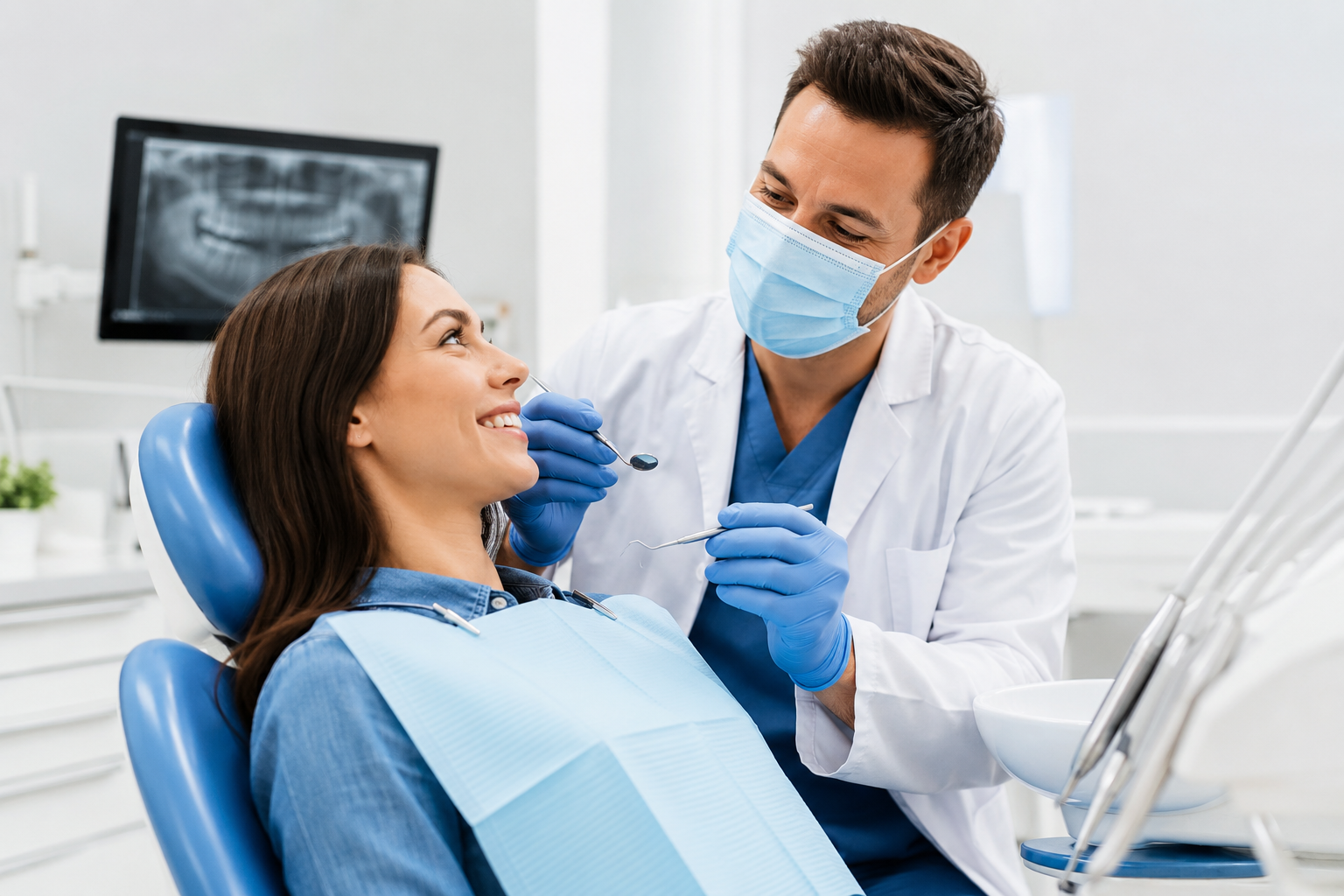
You face a dental emergency in Tampa—broken tooth, severe pain, or sudden swelling—and you need clear, practical steps now. Identify whether the situation needs immediate care, and seek a local emergency dentist or urgent dental clinic to protect your mouth and overall health.
This post guides you through common emergencies in Tampa, what to do before you get to the dentist, and the treatments you can expect. It also covers how to find trusted local care, what insurance and costs look like, and simple prevention tips so you worry less in the future.
Common Dental Emergencies in Tampa
Tampa residents often face sudden dental problems that need fast, practical action to reduce pain and protect teeth. This section covers immediate steps, likely treatments, and when to contact a dentist for each common emergency.
Severe Toothache Relief
A severe toothache often signals infection, a cracked tooth, or deep decay and usually requires prompt evaluation. They should rinse with warm salt water (1/2 teaspoon salt in 8 oz water) and gently floss to remove trapped debris. Avoid placing aspirin directly on the gum or tooth — that can burn tissue.
For short-term pain control, over-the-counter ibuprofen or acetaminophen reduces pain and inflammation; follow dosage on the label and avoid aspirin for children. If swelling, fever, or increasing pain occurs, seek emergency dental care within 24 hours because these are signs of spreading infection.
The dentist will examine, take X-rays, and may prescribe antibiotics if an abscess exists. Treatment options include root canal therapy to remove infected pulp, extraction if the tooth is non-restorable, or a filling/crown for localized decay or fracture.
Broken or Chipped Teeth Solutions
Chips and fractures vary from minor enamel loss to breaks exposing the tooth pulp. Rinse the mouth with warm water and apply a cold compress to reduce swelling. Save any tooth fragments in milk or saline and bring them to the dentist.
Small chips often get smoothed or repaired with composite bonding in a single visit. Larger fractures that affect aesthetics or function may need a crown; the dentist will prepare the tooth and place a temporary crown before a final restoration. If the pulp is exposed or pain is severe, root canal treatment plus a crown may be necessary.
Tampa clinics can provide same-day temporary repairs and schedule definitive restorative work quickly. Document when and how the injury happened, as that helps the dentist decide on conservative versus more extensive treatment.
Knocked-Out Tooth Actions
A knocked-out (avulsed) permanent tooth requires immediate action for the best chance of re-implantation. Handle the tooth by the crown only — do not touch the root. If dirty, briefly rinse with water; do not scrub or dry it.
If possible, reinsert the tooth into the socket and hold it in place while seeking emergency care within 30 minutes. If reinsertion isn’t possible, store the tooth in cold milk or a tooth-preservation solution like Hank’s Balanced Salt Solution. Avoid putting the tooth in plain water.
Emergency offices in Tampa can splint the tooth to neighboring teeth and provide antibiotics and a tetanus check if needed. Long-term follow-up includes endodontic assessment and monitoring for root resorption; success declines the longer the tooth remains out of the mouth.
Lost Fillings or Crowns
Losing a filling or crown exposes the underlying tooth to sensitivity, decay, and fracture. Rinse the mouth and remove any loose debris. If the crown is intact, keep it and, if comfortable, slip it back onto the tooth with a dab of dental cement or toothpaste until a dentist can evaluate it.
For exposed dentin, apply a small amount of dental cement or temporary filling material from a drugstore to reduce sensitivity. Avoid chewing on the affected side and stay away from very hot or cold foods. Call a Tampa dentist promptly, as timely repair prevents further damage.
The dentist will assess whether to re-cement the original crown, fabricate a new crown, or place a permanent restoration if decay or fracture exists. Restorative options include bonded fillings, onlays, or full-coverage crowns depending on structural loss.
Immediate Steps to Take Before Seeing a Dentist
Act promptly: reduce pain, limit swelling, and protect teeth or soft tissue until a dentist can provide definitive care. Gather essential items and information to speed treatment when arriving at the office.
Managing Pain and Swelling
For toothache or facial swelling, have the patient rinse gently with warm salt water—1/2 teaspoon salt in 8 ounces of warm water—to reduce bacteria and soothe tissues. Use over-the-counter ibuprofen (200–400 mg every 4–6 hours as needed, up to label limits) for combined pain relief and anti-inflammatory effect; acetaminophen can be used if NSAIDs are contraindicated. Avoid aspirin for acute dental bleeding because it can worsen bleeding.
Apply a cold pack to the cheek in 10–20 minute intervals to control swelling and numb pain. Keep the patient upright rather than lying flat to reduce blood pressure in the head and limit throbbing. If severe swelling causes difficulty breathing or swallowing, seek emergency medical care immediately.
Protecting the Injured Area
If a tooth is knocked out, handle it by the crown only; do not touch the root. Rinse debris briefly with saline or milk—do not scrub—and attempt to reinsert the tooth into the socket if the patient is calm and able. If reinsertion is not possible, keep the tooth moist by placing it in milk, saline, or the patient’s saliva (inside the cheek) and see a dentist within 30–60 minutes for the best chance of replantation.
For a fractured tooth, save any broken pieces in milk or saline and bring them to the appointment. Cover exposed dentin or pulp with a clean, damp gauze or a piece of sugar-free gum as a temporary protective barrier. For soft-tissue cuts inside the mouth, apply firm pressure with sterile gauze to control bleeding and use cold compresses externally to reduce swelling.
What to Bring to Your Appointment
Bring a photo ID and your insurance card or payment method to speed check-in and treatment approval. Pack a small container with any avulsed tooth fragments, saved crowns, or fractured pieces in milk or saline; label the container with the patient’s name and time of injury.
Bring a list of current medications, allergies, and recent medical history including blood thinners or heart conditions. Note the time the injury occurred, what happened, and any first-aid already performed—this information helps the dentist make faster, safer decisions.
Available Emergency Dental Treatments
Patients can expect swift pain relief, tissue protection, and options that preserve natural teeth when possible. Care includes temporary measures to stabilize the problem and permanent procedures to restore function and appearance.
Temporary and Permanent Restorations
When a crown, filling, or veneer fails, the dentist first stabilizes the tooth to stop pain and prevent infection. Temporary restorations—made from resin or stainless steel—protect exposed dentin, cover sharp edges, and restore chewing function while a lab fabricates a permanent piece.
Permanent restorations typically use porcelain, zirconia, or composite resin. These materials match tooth color and strength; porcelain and zirconia suit crowns on molars, while composite works for small to moderate front-tooth repairs. The dentist will assess bite alignment and neighboring teeth before cementing a permanent restoration.
Appointments often split into two visits: prep and impression, then final placement. Same-day CAD/CAM milling is available in many Tampa clinics, allowing a one-visit crown when the clinic has the necessary equipment. Patients with dental anxiety can request local anesthesia and nitrous oxide for comfort.
Same-Day Tooth Extractions
Clinicians recommend extraction when a tooth is too damaged to restore, shows untreatable infection, or threatens adjacent teeth. The dentist evaluates X-rays, medical history, and infection signs to decide between simple extraction and surgical extraction.
Simple extractions remove visible teeth under local anesthetic and often take 20–40 minutes. Surgical extractions handle broken or impacted teeth; they may require sedation and sutures. The practice provides written aftercare: ice for swelling, soft foods, and pain-control guidance using acetaminophen or prescribed medications.
Tampa clinics coordinate same-day extractions with immediate replacement options when appropriate. If bone and tissue health allow, the dentist may place an implant or a temporary bridge at the same appointment to preserve jaw structure and appearance.
Emergency Root Canal Therapy
Root canal therapy targets an infected or inflamed pulp to relieve severe pain and save the tooth. The endodontist or general dentist numbs the area, creates a small opening, removes infected tissue, and cleans and shapes the canals before sealing them with gutta-percha.
Emergency root canals focus on rapid infection control and pain reduction. At the first visit, the clinician may place medication inside the canals and a temporary filling; a follow-up visit completes the permanent filling and places a crown to protect the tooth from fracture.
Success depends on timely treatment and good oral hygiene afterward. Patients usually experience immediate pain relief after the procedure and receive instructions on caring for the tooth, signs of complications, and scheduling the crown placement to ensure long-term function.
How to Find a Trusted Emergency Dentist in Tampa
Start by focusing on verified credentials, response time, and real patient experiences. Prioritize clinics with clear hours, an emergency protocol, and multiple positive local reviews.
Checking Credentials and Experience
Verify the dentist’s state license and any emergency-specific certifications, such as Advanced Cardiac Life Support (ACLS) or sedation certifications, through the Florida Department of Health website. Look for dentists who list years of practice and emergency training on their clinic pages.
Check affiliations with professional organizations like the American Dental Association or the Florida Dental Association; these signal ongoing education. Confirm that the clinic has on-site digital X-ray and CBCT or quick referral pathways to imaging centers for complex trauma.
Ask whether the dentist handles extractions, root canals, and soft-tissue lacerations in-house or refers to a specialist. Clinics that publish bios for each provider make it easier to assess experience with urgent cases and pediatric emergencies.
Evaluating Availability and Response Time
Choose a clinic that publishes clear emergency hours and a direct after-hours phone number. Rapid triage matters: a good practice returns calls within 15–30 minutes and offers same-day appointments for severe pain or swelling.
Confirm whether the office keeps emergency slots open during weekdays and weekends. Some Tampa clinics rotate on-call dentists; ask how they coordinate continuity of care after the initial visit.
Find out average door-to-treatment time—this is crucial for infections and uncontrolled bleeding. Also ask about payment options, insurance acceptance, and whether the clinic provides written post-care instructions and follow-up scheduling.
Reading Local Patient Reviews
Scan Google, Yelp, and Healthgrades for Tampa-specific reviews, focusing on recent comments about emergency response, pain management, and wait times. Filter reviews by keywords like “after-hours,” “tooth knocked out,” or “infection” to find relevant experiences.
Look for consistent patterns: multiple mentions of clear communication, effective pain relief, and friendly staff indicate reliability. Be cautious if reviewers repeatedly note long waits, surprise fees, or poor follow-up.
Balance star ratings with the number of reviews; a five-star rating based on two reviews is weaker than a 4.5 with dozens of recent entries. Consider calling the clinic with a scenario and judging tone and helpfulness—real-time interaction often matches written reviews.
Cost Considerations and Insurance Coverage
Emergency dental visits in Tampa often involve variable fees based on the procedure, timing, and diagnostic needs. Patients should expect itemized estimates and clear explanations of charges before treatment whenever possible.
Understanding Treatment Fees
Fees commonly include exam, X-rays, anesthesia, and the emergency procedure itself — for example, a simple extraction may cost $150–$450, while a root canal can range $800–$1,500 depending on the tooth and complexity. After-hours or weekend visits frequently add an emergency surcharge of $75–$200. Additional costs may arise for sedation, lab-processed crowns, or referral imaging (CBCT), so requesting a written estimate helps avoid surprises.
Dentists in Tampa typically provide a treatment plan with line-item pricing and alternatives (e.g., extraction vs. root canal). Patients should ask about payment for follow-up care, provisional restorations, and whether the office offers sliding-scale fees, senior discounts, or membership plans that reduce out-of-pocket expense.
Dental Insurance and Payment Options
Most dental insurance plans cover emergency exams and limited procedures but apply deductibles and annual caps (often $1,000–$1,500). Basic coverage may reimburse 50–80% of restorative work after deductible, while major procedures like crowns or implants often need prior authorization and may be covered at lower percentages. Patients should verify emergency benefits, in-network provider status, and pre-authorization requirements before treatment.
Many Tampa practices accept credit cards, CareCredit, in-office payment plans, and same-day financing to spread costs. Offices often submit claims electronically and can estimate patient responsibility after insurer quotes. For uninsured patients, asking for bundled pricing or a phased treatment schedule can make urgent care more affordable.
Tips to Prevent Dental Emergencies
Simple, consistent care and smart choices reduce the chance of sudden pain, broken teeth, and infections. Small daily habits, protective gear for activities, and timely dental visits catch problems before they become emergencies.
Everyday Oral Care Habits
Daily brushing and flossing remove plaque that causes decay and gum disease, the leading triggers of dental emergencies. Recommend brushing twice daily with a soft-bristled brush and fluoride toothpaste for two minutes, paying attention to chewing surfaces and the gum line. Use interdental cleaning—floss, interdental brushes, or water flossers—once a day to remove trapped food between molars where cavities often start.
Avoid hard, sticky foods that crack fillings or pull out crowns. If a person chews ice, hard candy, or pens, suggest replacing those habits with safer alternatives like sugar-free gum. Maintain a balanced diet with limited sugary snacks and acidic drinks; rinse with water after acidic beverages to protect enamel.
Manage teeth grinding (bruxism) by identifying triggers such as stress or sleep position. For nighttime grinders, a custom nightguard from a dentist protects enamel and restorations. Promptly address dental sensitivity or minor chips before they worsen.
Protecting Teeth During Sports
Mouthguards reduce traumatic dental injuries during contact and non-contact sports alike. Use a properly fitted mouthguard—preferably a custom one from a dentist—rather than generic boil-and-bite models for better protection and comfort.
Wear helmets and face shields when appropriate; many facial injuries transmit force to teeth. For children and teens engaged in team sports, check that coaches enforce mouthguard use and replace mouthguards every season or after growth spurts. Store mouthguards in a ventilated case and clean them after each use.
If a tooth gets knocked out, keep it moist by placing it in milk or saline and seek emergency dental care within one hour for the best chance of reimplantation. For fractured teeth, save any fragments in milk and bring them to the dentist; quick action often allows repair instead of extraction.
Regular Checkups for Early Detection
Schedule dental exams and cleanings every six months, or as the dentist recommends based on risk factors like diabetes or a history of decay. Professional cleanings remove tartar that brushing cannot, lowering the risk of infection and periodontal disease.
During checkups, dentists use X-rays and visual exams to find small cavities, loose restorations, or root issues before they cause acute pain. Discuss any changes—sensitivity, swelling, or odd tastes—as these can signal developing problems that are easier to treat early.
Maintain a single dental office or team when possible; continuity helps dentists track changes over time and act quickly if symptoms appear. If cost is a concern, ask the office about preventive plans or sliding-scale options to avoid delaying care.
Supporting Nervous Patients in a Dental Crisis
When patients arrive in pain and anxious, the dental team first acknowledges feelings and explains each step in plain language. Simple, calm explanations reduce fear and help patients feel in control.
The clinic uses short breathing exercises and grounding techniques to lower immediate stress. These take less than a minute but can make procedures feel more manageable.
Staff offer choices about pain control and pace of treatment, including local anesthesia, nitrous oxide, or brief breaks. Clear options empower patients and build trust quickly.
A quick written plan clarifies what will happen during the visit and aftercare steps. This gives patients a tangible reference and reduces uncertainty once they leave the chair.
Visual aids and models show what will be done, avoiding jargon and keeping explanations concrete. Seeing the process often demystifies it and calms nerves.
For patients with severe dental anxiety, the team discusses sedation options and coordinates care with medical providers when needed. They also schedule follow-up visits to monitor healing and reinforce preventive steps.
Key comfort strategies:
- Warm, steady communication
- Short relaxation techniques
- Clear choices about anesthesia
- Written aftercare instructions
- Visual explanations and follow-up
The clinic invites questions at every stage and encourages patients to voice concerns. They recommend contacting the office promptly so the team can tailor care and reduce both pain and worry.
Next Steps for Timely Dental Care
Patients should call their dental office immediately when pain, swelling, or trauma occurs. Staff can triage the situation, offer first-aid instructions, and schedule the earliest available appointment.
They should gather basic information before calling: a brief description of symptoms, when the problem started, and any recent dental history. This helps the team prioritize care and prepare appropriate treatment.
If bleeding or severe pain is present, apply gentle pressure with clean gauze and use a cold pack to reduce swelling. Avoid placing aspirin or other medications directly on gums or teeth.
For knocked-out teeth, keep the tooth moist by placing it in milk or saliva and see a dentist within an hour for the best chance of replantation. Handle the tooth by the crown, not the root.
Use this checklist when contacting a Tampa dental clinic:
- Full name and contact number
- Nature and onset of the problem
- Any allergies or current medications
- Preferred days/times and insurance information
They should ask about after-hours options, emergency fees, and whether the clinic accepts walk-ins. Many Tampa practices offer same-day or extended-hour appointments for urgent needs.
Consider following up with a comprehensive exam and imaging once the acute issue is managed. This helps identify underlying problems and prevents repeat emergencies.
Call to schedule an evaluation or to ask questions about pain control, urgent care steps, or what to expect during treatment.
Frequently Asked Questions
These answers focus on immediate steps, how to judge urgency, cost options, and simple at-home care to protect teeth and reduce pain until professional help is available.
What should I do right away if I have a severe toothache at night or on the weekend?
Rinse the mouth with warm salt water to reduce bacteria and soothe gums. Use over-the-counter ibuprofen or acetaminophen for pain according to package directions; avoid placing aspirin directly on the tooth or gum.
Apply a cold pack to the cheek for 10–15 minutes at a time to reduce swelling and numb pain. Contact the dentist’s emergency line; many Tampa practices offer after-hours triage and can advise whether an immediate clinic visit is needed.
Can I be seen the same day without an appointment if I walk into a dental clinic?
Some clinics accept walk-ins for true dental emergencies, but availability varies by practice and time of day. Calling ahead increases the chance of same-day treatment and lets staff prepare for the specific problem.
Tampa dental offices with emergency slots or on-call dentists will prioritize severe pain, uncontrolled bleeding, and trauma. For minor issues, expect to be scheduled for the next available appointment.
How can I tell if my dental problem is urgent, or if it can safely wait a day or two?
Urgent signs include severe, unrelenting pain; swelling that affects breathing or swallowing; uncontrolled bleeding; persistent fever with dental pain; or a knocked-out tooth. These require immediate attention.
Problems that can usually wait 24–48 hours include mild sensitivity, minor chips without sharp edges, or a lost filling that doesn’t cause pain. If pain increases or swelling appears, seek care promptly.
What are my options if I need urgent dental treatment but don’t have dental insurance?
Ask clinics about emergency pricing, sliding-scale fees, or same-day payment plans. Federally qualified health centers and some dental schools in the Tampa area offer reduced-cost emergency care.
Many dentists accept credit, CareCredit, or short-term loans for urgent treatment. Call ahead to explain the situation and request cost estimates before treatment when possible.
What can I do at home to protect a chipped or broken tooth until I’m seen by a dentist?
Rinse the mouth gently with warm water to remove debris. Cover sharp edges with dental wax, sugar-free gum, or a small piece of dental wax from a pharmacy to prevent lip or cheek cuts.
Save any broken tooth fragments in milk or saline and bring them to the dentist. Avoid chewing on the damaged side and stick to soft foods until repaired.
When should I go to the ER for facial swelling or a possible dental infection?
Go to the ER immediately if swelling causes difficulty breathing, swallowing, or speaking, or if swelling spreads rapidly toward the neck and eyes. Also seek emergency medical care for high fever, severe systemic symptoms, or signs of sepsis.
For localized swelling without airway compromise, contact an emergency dentist in Tampa; they can often manage the infection with drainage and antibiotics and coordinate follow-up dental treatment.