
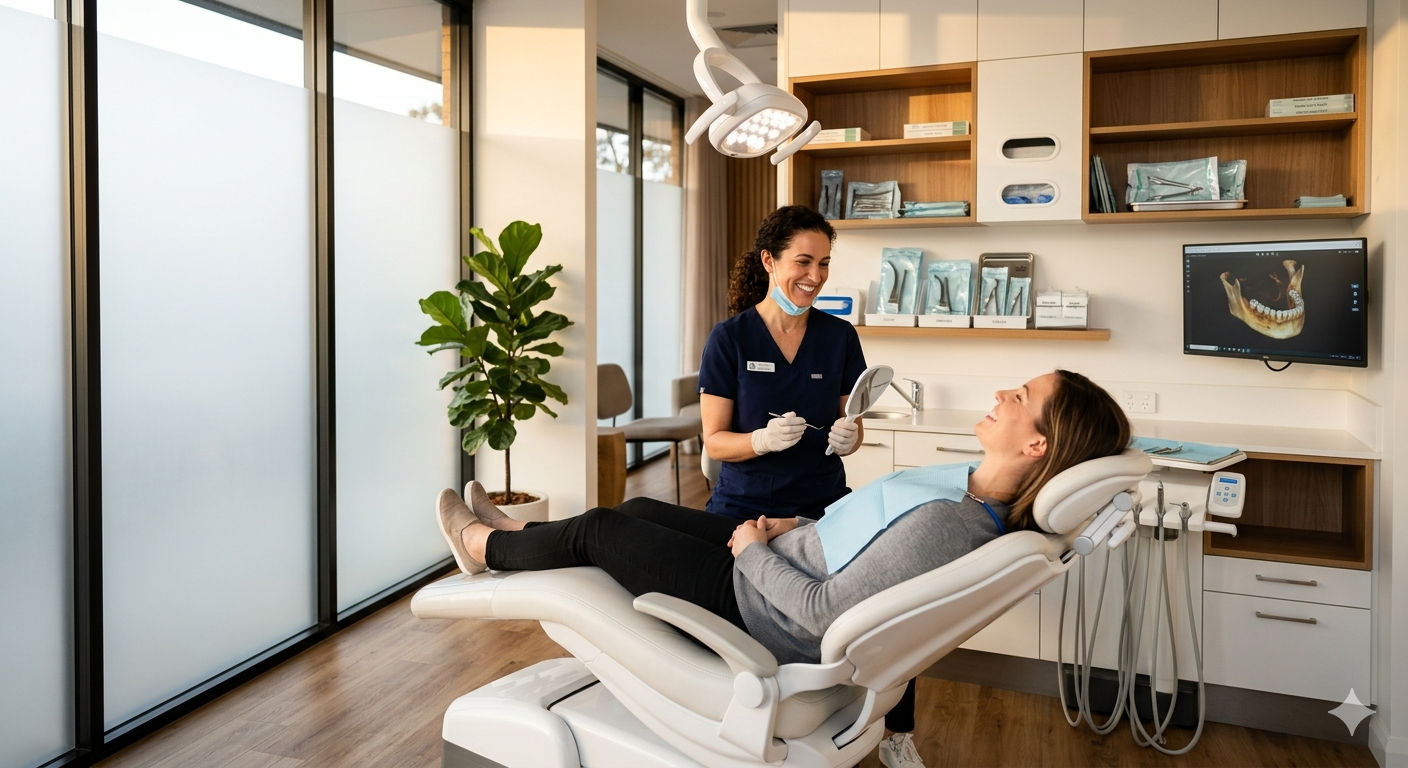
If you’re in Tampa and worried about sore, bleeding, or receding gums, this post shows the practical steps that can restore gum health and protect your smile. You can get effective, modern periodontal treatments in Tampa that stop disease progression, reduce infection, and preserve teeth with tailored care plans.
They explain what causes periodontal disease, describe minimally invasive and surgical options, and outline what to expect during a visit so you feel prepared and comfortable. You’ll also find clear prevention tips and guidance on choosing a trusted local dental expert to keep your gums healthy long term.
Understanding Periodontal Disease
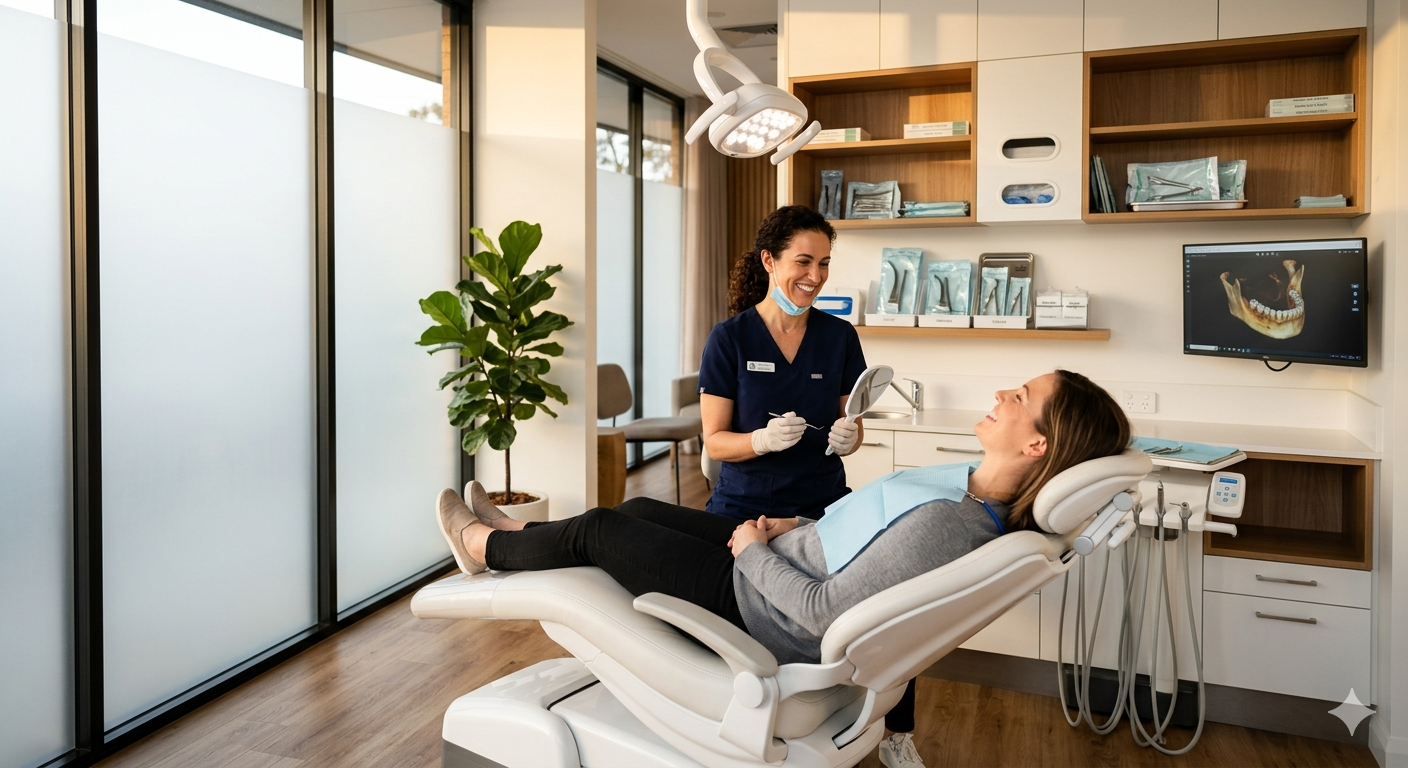
Periodontal disease affects the gums, ligaments, and bone that support the teeth. It ranges from reversible inflammation to progressive tissue and bone loss, and timely care preserves function and appearance.
What Causes Gum Disease
Gum disease begins when bacterial plaque accumulates along the gumline and between teeth. These bacteria produce toxins that irritate gum tissue, causing inflammation (gingivitis). If plaque hardens into calculus (tartar), bacteria hide beneath the gumline where brushing can’t reach, and inflammation progresses to periodontitis.
Risk factors increase the chance of progression: smoking impairs healing and immune response; poorly controlled diabetes raises infection risk; certain medications reduce saliva and change oral ecology. Genetics also play a role—some people show rapid tissue breakdown despite good oral hygiene. Hormonal changes, stress, and poor nutrition further weaken gum defenses. Regular professional cleanings and targeted home care address the root causes.
Signs and Symptoms to Watch For
Early signs include red, swollen, or tender gums and bleeding during brushing or flossing. Persistent bad breath and a sour taste can indicate bacterial overgrowth below the gumline. Teeth that feel loose, shift position, or reveal longer tooth surfaces (recession) signal bone or ligament loss.
Patients may also notice pus between teeth and gums or a change in bite. Pain is often minimal until advanced disease, which is why routine checkups matter. Any combination of these symptoms for more than two weeks warrants an evaluation by a dental professional experienced in periodontal care.
Why Periodontal Health Matters
Healthy gums anchor teeth and protect deeper structures from infection. Untreated periodontitis can cause irreversible bone loss, tooth loss, and the need for more extensive procedures such as bone grafts or dental implants. Restoring health early reduces treatment complexity and long-term cost.
Systemic connections exist: research links periodontal inflammation with poorer glycemic control in diabetes and increased cardiovascular risk markers. Treating periodontal disease improves oral comfort, chewing function, and overall well‑being. Patients who discuss risk factors and follow a tailored maintenance program experience better outcomes and more predictable treatment results.
Modern Treatment Options for Healthier Gums
This section outlines current approaches that control infection, reduce pocket depth, and restore gum stability. It highlights non-surgical care, laser-assisted therapy, and surgical options tailored to disease severity and patient comfort.
Professional Cleaning and Non-Surgical Therapies
Professional care begins with a thorough periodontal exam and scaling and root planing (SRP), which removes plaque and hardened calculus from below the gumline. SRP typically occurs over one or more visits and uses local anesthetic for patient comfort; follow-up visits monitor healing and measure pocket depth reduction.
Adjunctive treatments often include local antibiotics (e.g., doxycycline gel) placed directly into periodontal pockets and antimicrobial rinses to suppress bacteria. Professionals may also recommend host-modulating agents when inflammation is severe to reduce tissue-destructive enzymes. Regular maintenance cleanings every 3–4 months help prevent recurrence and preserve treatment gains.
Home care instructions focus on improved brushing technique, interdental cleaning with floss or water flossers, and sometimes prescription toothpaste for sensitivity or gum health. Smoking cessation and glycemic control for diabetic patients are emphasized because they directly affect treatment success.
Laser-Assisted Gum Therapy
Laser-assisted therapy uses focused light energy to remove diseased tissue, reduce bacteria, and seal pocket epithelium with less bleeding than traditional methods. Common lasers include diode and Er
Benefits often include reduced postoperative discomfort, shorter procedures, and faster soft-tissue healing for many patients. Clinicians still perform SRP in conjunction with lasers; the laser augments decontamination and can promote reattachment in select cases.
Not all patients qualify for laser therapy; its suitability depends on pocket depth, bone loss, and systemic health. Patients should ask about the specific laser model, evidence of outcomes, and whether the clinic combines laser use with adjunctive antimicrobials or guided tissue regeneration when needed.
Surgical Approaches for Advanced Cases
When pockets exceed 6 mm or bone loss threatens tooth stability, periodontal surgery becomes necessary to access roots and reshape bone. Common procedures include flap surgery (open flap debridement), osseous surgery to recontour bone, and guided tissue regeneration using barrier membranes and graft materials.
Periodontal surgeons may use bone grafts (autograft, allograft, xenograft) or growth factors like enamel matrix derivative to stimulate new attachment and bone fill. These materials help stabilize teeth and improve long-term prognosis when properly selected for the defect type.
Surgical care emphasizes pain control, infection prevention, and staged follow-up for suture removal and healing assessment. Patients receive clear post-op instructions, temporary diet modifications, and maintenance plans to protect surgical outcomes and preserve oral function.
Contact the dental office to discuss which option best fits a specific case, view before-and-after examples, or schedule a periodontal evaluation.
How Personalized Care Plans Are Made
Personalized care plans combine a thorough clinical picture with practical lifestyle details to create a step-by-step treatment path. They balance diagnostic findings, patient goals, and comfort preferences to target periodontal disease efficiently.
Assessment and Diagnosis Steps
The dentist begins with a comprehensive periodontal exam that measures pocket depths, attachment loss, and bleeding on probing. X-rays (bitewings and periapicals) assess bone levels and reveal hidden bone loss or calculus under the gumline.
They review medical history, current medications, and risk factors like diabetes, smoking, or dry mouth that change disease progression and treatment choices. A periodontal chart and photographic records document baseline status and guide progress checks.
When needed, the team performs microbial testing or inflammatory marker assessments to identify aggressive organisms or high inflammation. These results refine the diagnosis—gingivitis, chronic periodontitis, or localized aggressive periodontitis—and determine urgency and intensity of therapy.
Customizing Treatments to Your Needs
Treatment selection follows diagnosis and patient priorities, such as saving teeth, minimizing surgery, or controlling sensitivity. For mild to moderate disease, clinicians often start with scaling and root planing (deep cleaning) plus localized antimicrobial therapy.
If pockets remain deep or bone defects exist, they consider regenerative procedures (bone grafts, membranes) or flap surgery, explaining expected outcomes and recovery times. They match sedation options—nitrous oxide, oral sedatives, or IV sedation—to anxiety level and procedure length.
Maintenance frequency and home-care plans get tailored details: specific brushing techniques, recommended electric toothbrush models, targeted interdental cleaners, and an individualized recall interval (typically every 3 months for moderate disease). The plan always leaves room for adjustments based on healing, patient feedback, and changes in systemic health.
What to Expect During Your Visit
Patients will receive a focused exam, a clear explanation of findings, and a customized plan that prioritizes comfort and long-term gum health. Staff check insurance and outline costs up front, explain treatment timing, and answer questions about recovery and home care.
Friendly Consultation and Evaluation
The visit begins with a registration and a review of medical history and current medications. A trained hygienist performs a periodontal charting, measuring pocket depths around each tooth and noting bleeding or recession.
Digital X-rays or a cone-beam scan may follow to assess bone levels and root health. The dentist interprets images with the patient, pointing out areas of bone loss, calculus, or other concerns using printed images or on-screen visuals.
After diagnostics, the dentist explains diagnoses in plain language and offers treatment options—scaling and root planing, localized antibiotics, or referral for surgical grafting—along with expected timelines. They provide a written treatment plan and a printed estimate of costs and insurance coverage to facilitate decision-making.
Patients leave with clear home-care instructions, a schedule for follow-up visits, and contact information for questions or urgent concerns. The team encourages patients to ask about alternatives and to discuss any fears before starting treatment.
Comfort-First Approach for Anxious Patients
Staff screen for anxiety and previous dental experiences at check-in so they can tailor the visit. For stress management, they offer topical numbing gels, local anesthetic injections, and intraoral suction to reduce gagging.
For patients needing extra support, the practice provides oral sedatives (taken beforehand) or nitrous oxide administered chairside, monitored by trained personnel. The dentist reviews sedation risks and obtains informed consent, then documents vital signs during procedures.
The operatory environment focuses on calm: noise-reducing headphones, warm blankets, and gentle lighting help patients relax. The team pauses frequently to check comfort, uses language to set expectations, and gives clear signals for stopping if the patient needs a break.
Staff explain post-treatment pain control, typically recommending over-the-counter anti-inflammatories and a soft-food plan for 48–72 hours. They schedule follow-up calls or visits to monitor healing and adjust pain management as needed.
Tips for Preventing Future Gum Issues
Preventing gum problems depends on consistent daily care and regular professional maintenance. Simple, specific habits and scheduled dental visits reduce inflammation, slow bone loss, and protect restorations.
Daily Habits for Stronger Gums
Brush twice daily for two minutes using a soft-bristled brush and fluoride toothpaste. Hold the brush at a 45° angle and use gentle circular strokes along the gumline to remove plaque without causing recession.
Floss once daily, sliding the floss in a C-shape against each tooth and under the gumline to remove biofilm that brushing misses. If traditional floss is difficult, try interdental brushes sized to fit the spaces, or a water flosser with a low-pressure setting.
Avoid tobacco and limit sugary drinks and frequent snacking; both increase plaque and slow healing. Drink water after meals and chew sugar-free gum with xylitol for 10–20 minutes to stimulate saliva and neutralize acids.
Manage conditions that affect gums: control blood sugar if diabetic, review medications that cause dry mouth with a provider, and treat bruxism with a night guard if grinding damages tissues.
Role of Regular Check-Ups
Schedule professional cleanings every 3–6 months based on periodontal stability; many patients with history of gum disease need three-month maintenance. Hygienists use scaling and root planing when pockets deepen and remove hardened calculus that home care cannot.
Request periodontal charting and digital X-rays annually or as recommended to monitor pocket depths and bone levels. Early detection of pocket changes lets clinicians intervene with localized antibiotics, laser therapy, or more frequent cleanings.
Communicate symptoms—bleeding, persistent bad taste, or loose teeth—at appointments. Dentists can tailor maintenance plans, adjust home-care techniques, and recommend adjunctive treatments such as chlorhexidine rinses or antimicrobial gels when needed.
Choosing the Right Dental Expert in Tampa
Finding a periodontist who combines clinical skill, patient-centered care, and modern technology makes treatment smoother and outcomes more predictable. Look for measurable experience, clear communication, and a clinic setup that supports both comfort and advanced periodontal procedures.
Qualities of an Excellent Periodontal Team
An excellent periodontal team in Tampa includes a board-certified periodontist or a dentist with advanced periodontal training and documented experience treating cases like moderate to severe gum disease, gum recession, and implant placement. Check for memberships in professional groups (e.g., American Academy of Periodontology) and evidence of continuing education in laser therapy, guided tissue regeneration, or implantology.
Clinical competence pairs with strong patient communication. The team should provide clear treatment plans with timelines, costs, and success rates for procedures such as scaling and root planing, crown lengthening, or sinus lifts. They should offer tangible comfort measures — local anesthesia options, sedation choices, and post-op instructions that reduce anxiety and promote recovery.
Look for modern diagnostic tools: digital X-rays, 3D cone-beam CT for implant planning, and periodontal charting integrated into electronic records. A clean, ADA-compliant clinic environment and positive patient reviews about staff responsiveness and pain management are useful indicators.
Questions to Ask Your Dental Professional
Ask about the clinician’s specific experience: “How many procedures like mine have you performed in the last year?” Quantified answers show current skill. Request outcomes data when possible: success rates for implants or recurrence rates for treated periodontitis provide realistic expectations.
Clarify the proposed treatment pathway. Ask, “What are the alternatives, expected recovery times, and total costs including follow-ups?” A good team will explain nonsurgical options, surgical steps, and maintenance plans such as three-month cleanings or periodontal maintenance therapy.
Discuss comfort and safety: “What sedation options do you offer?” and “How do you manage pain and infection risk?” Confirm infection-control standards and inquire about emergency protocols. Finally, ask about insurance compatibility and financing: “Do you accept my insurer, and are payment plans available?” Transparent answers help patients plan and proceed with confidence.
Next Steps for a Healthier Smile
They should schedule an evaluation with a Tampa periodontal specialist to assess gum health and review treatment options. A professional exam identifies pockets, bone loss, and inflammation early, which improves outcomes.
Patients often begin with non-surgical care like deep cleaning (scaling and root planing) and focused oral hygiene coaching. These steps reduce bacteria and give the gums a chance to heal without immediate surgery.
If needed, the periodontist may recommend advanced treatments such as minimally invasive surgery, regenerative procedures, or dental implants. Modern techniques prioritize comfort, faster recovery, and preservation of natural teeth when possible.
Daily home care remains essential: brush twice, floss once, and consider an antimicrobial rinse when advised. Consistent habits help maintain results from professional treatments and lower the chance of recurrence.
Insurance coverage and payment options vary, so they should confirm benefits before scheduling. Many Tampa clinics offer financing or flexible plans to make care more accessible.
Questions and concerns about pain control, recovery time, or cosmetic outcomes deserve direct conversation with the care team. They can explain sedation choices, expected timelines, and realistic results.
Encourage the reader to call or book online for a consultation to discuss personalized care and next steps. A friendly, experienced periodontist will create a treatment plan that fits their needs and comfort level.
Frequently Asked Questions
This section answers common concerns about diagnosing, treating, and preventing gum disease in Tampa, plus what to expect during a specialist visit and how costs vary. It focuses on practical signs, modern procedures emphasizing comfort, and clear steps patients can take at home and when choosing a provider.
How do I know if my gum issues need a specialist rather than a regular dental cleaning?
Persistent bleeding when brushing or flossing for more than two weeks suggests more than routine gingivitis. Receding gums, loose teeth, deep pockets felt on a dental chart, or X-ray bone loss mean referral to a periodontist.
If a general dentist’s cleaning doesn’t reduce inflammation after a follow-up, they will usually recommend a specialist. Patients with diabetes, a history of smoking, or a family history of severe gum disease should consider seeing a specialist earlier.
What treatment options are available for gum disease, and which ones are the most comfortable today?
Non-surgical options include scaling and root planing (deep cleaning), local antimicrobial delivery, and antibiotics when needed. These are often performed with topical or local anesthesia to minimize discomfort.
Minimally invasive surgical options include flap surgery with modern microsurgical techniques and regenerative procedures using bone grafts or membranes. Laser-assisted therapy and sedation options (oral or IV) improve comfort and reduce recovery time for anxious patients.
What can I expect during my first visit with a gum specialist, from exam to treatment plan?
The periodontist will take a detailed medical and dental history and perform a periodontal exam measuring pocket depths and checking mobility. Digital X-rays or 3D imaging help assess bone levels and plan treatment precisely.
The specialist will explain findings in plain language, recommend immediate steps (cleaning, antibiotics, or urgent care), and propose a staged treatment plan with timelines and sedation options if desired. Patients receive written estimates and answers about recovery and home care.
How much does gum disease treatment typically cost, and what factors can change the price?
Scaling and root planing often ranges from a few hundred to around a thousand dollars per quadrant, depending on complexity and location. Surgical procedures, grafts, and regenerative work typically increase costs and can range from several hundred to several thousand dollars per site.
Insurance coverage, the need for imaging, sedation choice, the number of visits, and the clinician’s experience all affect price. Financing plans, payment options, and in-network providers can substantially lower out‑of‑pocket expenses.
How do I choose a trusted local gum specialist—what should I look for in reviews and credentials?
Look for a board-certified periodontist or a dentist with advanced periodontal training noted on their website and profile. Reviews should mention clear communication, gentle care, effective pain management, and predictable outcomes.
Check for up‑to‑date infection control practices, patient photos or case studies, transparent pricing, and staff responsiveness when scheduling. Referrals from a trusted general dentist and a convenient Tampa location with available sedation are additional pluses.
How can I prevent gum disease from coming back after treatment, and what should I do at home?
Follow the specialist’s recommended recall schedule, typically every 3–4 months after active treatment, for professional cleanings and pocket monitoring. Brush twice daily with a soft brush, floss once daily, and use an antimicrobial mouthrinse if advised.
Control risk factors: quit smoking, manage blood sugar for diabetics, and maintain a balanced diet to support gum health. Report new bleeding, swelling, or looseness promptly to avoid repeat procedures and preserve long‑term results.