
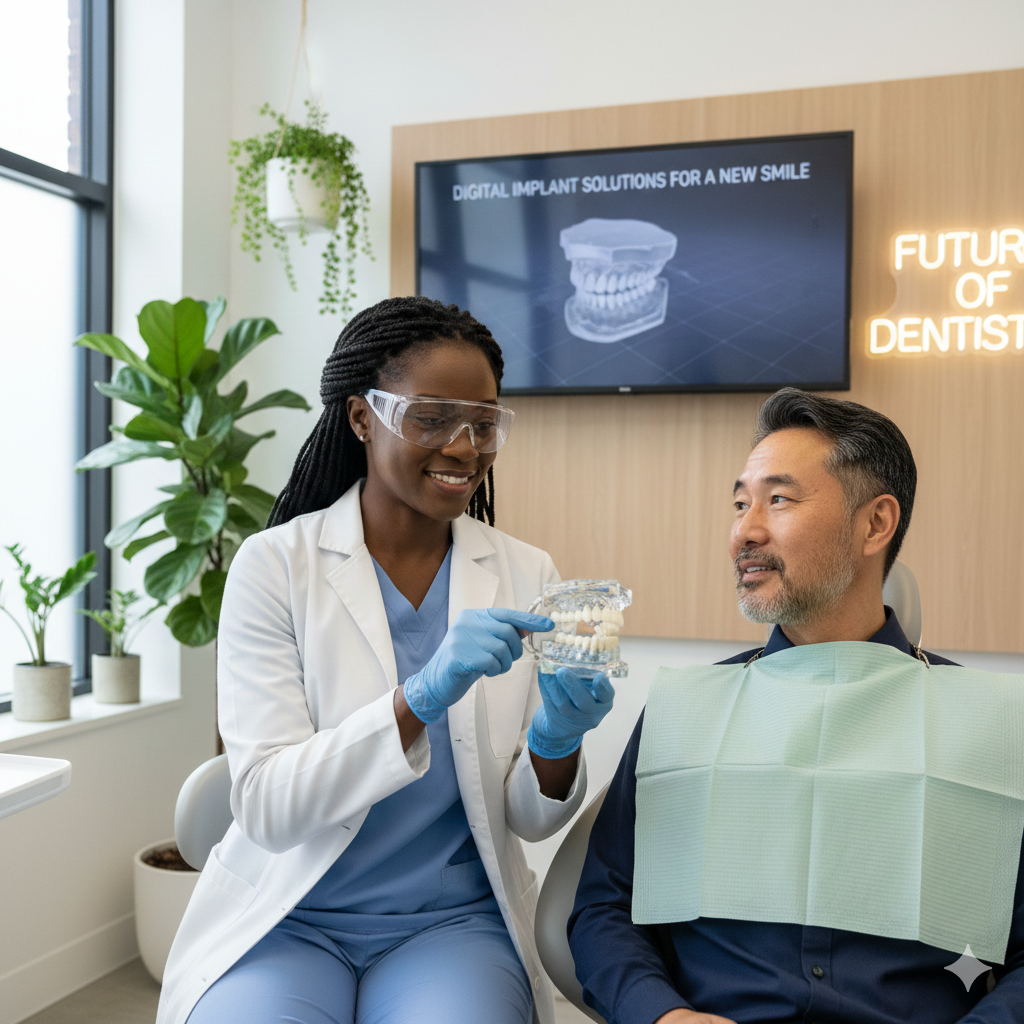
Dental implants are a trusted solution for replacing missing teeth, and advances in dentistry now allow some patients to receive implants in just 24 hours. This means that instead of waiting months, they can enjoy a stable, natural-looking tooth replacement almost immediately after the procedure.
Not everyone qualifies for this fast option, but for those who do, it can significantly reduce the stress and inconvenience of tooth loss. Patients appreciate how modern techniques focus on comfort and safety, making the process smoother than ever.
Understanding how 24-hour dental implants work and who they’re best for can help readers decide if this approach fits their needs. It’s a step toward restoring a confident smile without long waiting periods.
What Are Dental Implants in 24 hr?
These implants provide a faster way to restore missing teeth by placing a replacement tooth the same day the implant is inserted. This approach reduces the usual waiting time and helps patients regain function and smile confidence quickly.
How 24-Hour Dental Implants Work
In this process, the dentist places a titanium implant into the jawbone and attaches a temporary crown immediately after. The implant acts as an artificial tooth root, anchored securely but designed to integrate with the bone over several months.
Because the crown is temporary, it allows normal chewing and appearance without waiting weeks. After the bone fully heals and secures the implant, the temporary crown is replaced with a permanent restoration tailored for durability and aesthetics.
Not all patients qualify for this treatment—good bone density and oral health are essential to support immediate loading without compromising healing.
Comparing Traditional and Same-Day Implants
Traditional dental implants involve placing the implant first, then waiting 3 to 6 months before attaching a crown. This delay allows the implant to bond fully with the jawbone, providing a stable foundation for the new tooth.
Same-day implants shorten this timeline by adding a temporary crown immediately, avoiding months without a tooth. However, they require precise planning and ideal conditions since there is minimal healing before the implant bears weight.
| Aspect | Traditional Implants | 24-Hour Implants |
|---|---|---|
| Procedure Steps | Implant placement, then wait | Implant and temporary crown in a single visit |
| Healing Time | 3-6 months before crown | Immediate provisional crown |
| Suitability | Most patients | Requires good bone and oral health |
| Patient Experience | Longer gap without teeth | Quicker smile restoration |
Benefits of Rapid Dental Implants
One main benefit is convenience. Patients leave with a complete tooth, avoiding the embarrassment or discomfort of gaps.
This approach often reduces overall treatment time and can lower the chances of requiring removable dentures during healing. It also helps maintain jawbone structure by stimulating it early with the implant.
Most importantly, it supports patient confidence by restoring appearance and chewing function quickly. Still, the dentist will carefully assess candidacy to ensure safety and long-term success.
Patients interested in this option should discuss it thoroughly with their dental professional to understand how it fits their specific needs.
Who Is a Candidate for 24-Hour Dental Implants?
Not everyone qualifies for dental implants placed and restored in a single day. Success depends on several key factors that relate to overall health, oral condition, and jawbone quality. Understanding these helps set realistic expectations.
Ideal Patient Characteristics
Candidates for 24-hour dental implants generally have good oral hygiene and are committed to maintaining their dental health. They should have no active gum disease or severe infections. Non-smokers or those willing to quit during healing increase their chances of success.
Age is less important than bone quality and overall health. Patients with stable medical conditions such as controlled diabetes or mild hypertension can often proceed safely. Clear communication about medical history ensures that risks are properly managed.
Common Health Considerations
Certain health issues might complicate or delay immediate implant placement. Autoimmune diseases, osteoporosis, uncontrolled diabetes, or recent radiation therapy to the head and neck may affect healing. Smoking and heavy alcohol use are risk factors that impair bone integration.
Your dentist will review medications that influence bone metabolism or bleeding risk. This thorough health assessment lowers the chance of complications and supports faster recovery.
Assessing Bone and Gum Health
Adequate bone volume and density are crucial for anchoring implants immediately. If the jawbone is too thin or soft, additional procedures like bone grafting are usually needed before implants can be placed.
Healthy gums free from inflammation also play a major role. Dentists use imaging and clinical exams to confirm the jaw’s readiness. Sufficient bone and gum health allow implants to stabilize and support a temporary crown on the same day.
The 24-Hour Dental Implant Procedure
This approach combines precision technology, careful planning, and patient comfort to replace missing teeth quickly and effectively. It involves a clear timeline, advanced imaging, and techniques to manage healing with minimal discomfort.
Step-by-Step Treatment Timeline
The process begins with a detailed consultation, including scans and X-rays, to design a custom implant plan. On the procedure day, the dentist removes any damaged teeth if needed and places the implant directly into the jawbone.
Within hours, a temporary crown is attached, allowing the patient to leave with a functional tooth. This temporary crown protects the implant and maintains appearance during healing.
Over the next few months, the implant integrates with the bone, creating a strong foundation. A permanent crown replaces the temporary one once healing is complete. This timeline reduces multiple visits and speeds up tooth replacement.
Technology Behind Same-Day Implants
Digital 3D imaging plays a critical role by mapping the jawbone structure precisely. This technology guides the dentist during implant placement, improving accuracy and safety.
Computer-aided design and manufacturing (CAD/CAM) create the custom crowns quickly in the dental lab or office. This innovation allows for same-day fitting without sacrificing fit or look.
Guided implant surgery tools reduce trauma by planning exact implant sites in advance. This helps avoid nerves and sinuses, improving patient outcomes and decreasing recovery time.
Managing Discomfort and Healing
Patients can expect some mild soreness, manageable with over-the-counter pain relievers. Swelling is common and usually subsides within a few days.
Soft foods and good oral hygiene are crucial right after the procedure to protect the implant site. Dentists often provide special rinses or instructions to prevent infection.
Follow-up visits monitor healing and check the implant’s stability. Overall, same-day implants aim to minimize downtime, making the healing process as smooth and comfortable as possible.
Choosing the Right Dental Implant Provider
Finding a skilled dental implant provider involves checking specific qualifications and knowing which questions to ask. This ensures the best care and a smoother experience.
What to Look For in an Implant Specialist
A qualified implant specialist should be board-certified in oral surgery or periodontics, with additional training in implant placement. Years of experience performing the specific implant procedure you need matters a lot.
Look for clinics that use modern technology like 3D imaging and guided surgery tools. These improve precision and reduce recovery time. Patient reviews and before-and-after photos give insight into the provider’s skill and consistency.
The team should focus on patient comfort, explaining each step clearly and discussing pain management options. Facilities that follow strict hygiene protocols and offer personalized treatment plans tend to provide better outcomes.
Questions to Ask Before Treatment
Patients should ask about the number of implants the provider places annually and their success rate. Knowing how often complications arise can help set realistic expectations.
Inquire about the entire process timeline—specifically if the clinic offers same-day implants—and any follow-up care needed. Ask about anesthesia options to ensure comfort.
Cost and financing are important. Clarify what fees include and check for any hidden costs like imaging scans or temporary crowns. Finally, ask about the provider’s protocol if an implant fails, to understand their support system should anything go wrong.
Aftercare and Recovery Tips
Proper care after dental implant surgery is key to a smooth recovery and successful results. Attention to daily habits, healing support, and recognizing potential issues can help patients feel comfortable and confident during the first days and weeks.
Post-Procedure Instructions
Immediately after the implant is placed, patients should avoid disturbing the area to prevent bleeding or dislodging the implant. Gentle pressure with gauze can be applied to control any bleeding. Ice packs help reduce swelling if applied in intervals during the first 24 hours.
Eating should be limited to soft, cool foods for a few days. Hot, spicy, or crunchy foods can irritate the site. Avoid using straws and do not smoke, as suction and chemicals disrupt healing.
Pain management typically involves prescribed or over-the-counter medications, taken exactly as directed. Oral hygiene should continue, but brushing around the implant site requires extra care—rinsing with salt water or prescribed antiseptic rinses helps keep bacteria away.
Promoting Fast Healing
Healing is boosted by a balanced diet rich in vitamins C and D, which support tissue repair. Drinking plenty of water also helps maintain cleanliness in the mouth.
Rest is important. Patients should avoid strenuous activities for at least 48 hours after surgery, as increased blood flow can cause discomfort or bleeding. Sleeping with the head elevated minimizes swelling.
Regular check-ups allow the dentist to monitor healing and address any complications early. Using a soft-bristle toothbrush and avoiding alcohol-based mouthwash during initial healing protects the sensitive area.
Signs to Watch During Recovery
Some discomfort, mild swelling, and minor bleeding are normal in the first days. However, persistent pain, excessive bleeding, or swelling that worsens after 3 days signals problems. Fever or pus around the implant site may indicate infection.
Difficulty opening the mouth or numbness beyond a few hours should prompt contact with the dental office. It’s vital to respond quickly to signs of implant loosening or severe redness to prevent more serious issues.
If unusual symptoms appear, patients should follow up promptly with their dentist for evaluation and care.
Cost and Financing Options for 24-Hour Implants
The price of 24-hour dental implants varies widely depending on several factors. Understanding these can help patients plan better. Financing options are also available to make treatment more accessible.
Understanding Pricing Factors
The cost of 24-hour implants generally ranges from $3,000 to $6,000 per implant. This includes the implant device, surgery, and often the temporary crown placed the same day. Location plays a role—urban clinics tend to charge more than rural ones.
Additional costs might come from bone grafts, CT scans, or sedation, which aren’t always included. The quality of materials, like titanium versus zirconia implants, also affects the price.
Patients should ask for a detailed breakdown before committing. Transparent pricing helps avoid unexpected expenses and allows better budgeting.
Insurance and Payment Plans
Most dental insurance policies don’t fully cover implants, especially 24-hour procedures, but some offer partial benefits. It’s important to check with your provider to understand what portion might be reimbursed.
Many dental offices offer financing plans or work with third-party lenders. Patients can often spread payments over 6 to 24 months with little or no interest. Some practices provide discounts for upfront payment.
A clear discussion with the dental office about payment options can ease financial stress. Patients are encouraged to inquire early and choose plans that fit their budget comfortably.
Real Patient Experiences with 24-Hour Implants
Many patients find the idea of receiving dental implants in just one day both exciting and a bit daunting. Their stories reveal how the process feels, what challenges arise, and the reassurance patients gain from clear communication and expert care.
Success Stories
Several patients report feeling a boost in confidence shortly after their 24-hour implant procedure. One patient shared that they left the clinic with a fully functional tooth replacement, allowing them to eat soft foods comfortably the same day. Another noted quicker healing times compared to traditional implant methods, attributing this to precise surgical techniques and proper aftercare.
Patients also appreciate the time saved. Instead of multiple visits spanning months, they undergo implant placement and temporary crown fitting in a single appointment. This convenience reduces anxiety and disruption in their daily lives. Of course, success depends on individual health and bone quality, but with good planning, outcomes are often very positive.
Common Concerns and Reassurances
Pain and discomfort top the list of worries before 24-hour implants. Most patients find that anesthesia and modern pain management keep discomfort minimal. Mild swelling and soreness are typical but generally fade within a few days.
Another concern is the stability of implants placed so quickly. Professionals emphasize that initial implant stability is carefully assessed before finalizing treatment on the same day. If conditions aren’t ideal, temporary solutions or delayed loading may be recommended instead. Patients are encouraged to follow post-op instructions carefully to support healing.
Questions about long-term success are common. Studies show that with proper care and periodic check-ups, 24-hour implants perform comparably to traditional implants. Patients often feel reassured by the ongoing support from their dental team during recovery.
Long-Term Care and Maintenance
Taking care of dental implants after placement is essential to ensure they last many years. This involves daily cleaning, regular dental check-ups, and protecting the implant from damage.
Everyday Hygiene Tips
Daily hygiene helps prevent infection around the implant. Brushing twice a day with a soft-bristled toothbrush and low-abrasive toothpaste is key. Flossing carefully around the implant helps remove plaque where a brush can’t reach.
Using an antimicrobial mouthwash can reduce bacteria and keep gums healthy. Avoid harsh scrubbing to protect the implant’s surfaces. If recommended, special interdental brushes can clean tight spaces safely.
Maintaining good hygiene habits supports bone and gum health around the implant, reducing the risk of peri-implantitis (implant-related gum disease).
Routine Dental Visits
Regular dental visits are crucial for monitoring the implant’s stability and oral health. A dentist will check the implant, surrounding gums, and bite alignment at least twice a year.
Professional cleanings remove hardened plaque that home care misses. X-rays may be taken to assess bone levels and detect any early issues before symptoms appear.
Timely visits allow adjustments to the implant restoration or treatment of minor problems. This proactive approach helps extend the life of the implant and keeps your smile healthy.
Protecting Your New Smile
Avoid habits that can damage the implant, such as chewing hard objects like ice, pens, or hard candy. These stresses can crack the implant crown or affect its connection to the bone.
If you grind or clench teeth at night, a custom nightguard can protect the implant from excessive pressure. Sports mouthguards also reduce the risk of injury during physical activity.
A well-maintained implant requires mindful care and avoiding behaviors that cause mechanical damage. Being gentle with your new teeth protects your investment and natural comfort.
Making the Decision: Your Next Steps
Choosing to get dental implants in 24 hours is an important step, and it starts with understanding your options. The first move is scheduling a consultation with a qualified implant dentist. This visit helps assess bone health, overall oral condition, and suitability for immediate implants.
During the consultation, the dentist may use 3D imaging or X-rays. These tools offer a detailed look at your jawbone and help plan the precise placement of the implants. Clear communication about your medical history and any concerns is key.
Here’s what to expect next:
- Initial Exam: Review of oral health and implant candidacy.
- Treatment Plan: Customized based on individual needs.
- Scheduling: Appointment for implant placement, often the same day.
- Aftercare Instructions: Tips to ensure healing and implant success.
It’s helpful for patients to prepare questions ahead of time. Common topics include pain management, recovery timeline, and cost. Understanding the procedure fully can ease anxiety and build confidence.
Encouraging patients to maintain good oral hygiene before and after the procedure supports healing. Using softer toothbrushes and avoiding hard foods are typical recommendations.
Taking the first step by consulting a dental expert opens doors to modern, efficient tooth replacement. They can provide tailored advice and answer any lingering questions. Reaching out today might be the start of a smooth, comfortable dental journey.
Frequently Asked Questions
This section covers important details about how full mouth dental implants can be placed in one day, the costs involved, and the safety aspects of such procedures. It also explains the differences between immediate and traditional implant methods, what to consider when choosing a clinic, and how these implants affect jaw bone health.
How do full mouth dental implants in 24 hours work?
The process involves placing dental implants and attaching temporary teeth on the same day. After careful planning and imaging, implants are inserted into the jawbone, and a fixed restoration is secured immediately.
This allows patients to leave the clinic with functional teeth without waiting months for healing.
What is the average cost range for 24-hour dental implant procedures?
Costs vary widely by location and complexity but generally range from $3,000 to $7,000 per implant. Full mouth treatments can cost between $20,000 and $50,000 depending on the number of implants and additional services like bone grafting.
Insurance coverage may be limited for cosmetic or expedited options.
Are there any risks associated with getting dental implants in one day?
Risks include implant failure if the bone does not integrate properly or if biting forces are too heavy too soon. Infection and swelling can also occur but are rare with proper care.
Following post-operative instructions and choosing an experienced provider help reduce these risks.
How does immediate loading of dental implants differ from traditional implant procedures?
Immediate loading means attaching a temporary crown or bridge on the implant the same day it’s placed. Traditional implants require several months of healing before restoration placement.
This speeds up the treatment timeline but requires good bone quality and precise surgical technique.
What should I look for when seeking a clinic for 24-hour dental implants near me?
Look for clinics with experienced implant specialists using modern imaging and surgical technology. Patient reviews and before-and-after photos can reveal the quality of care.
Ask about follow-up care and whether the clinic offers sedation or pain management options.
Can 24-hour dental implants help correct jaw bone loss and how?
Yes, implants stimulate the jawbone, preventing further bone resorption by mimicking natural tooth roots. In some cases, bone grafting is done alongside implants to rebuild lost bone volume.
This improves jaw stability and facial structure over time.