
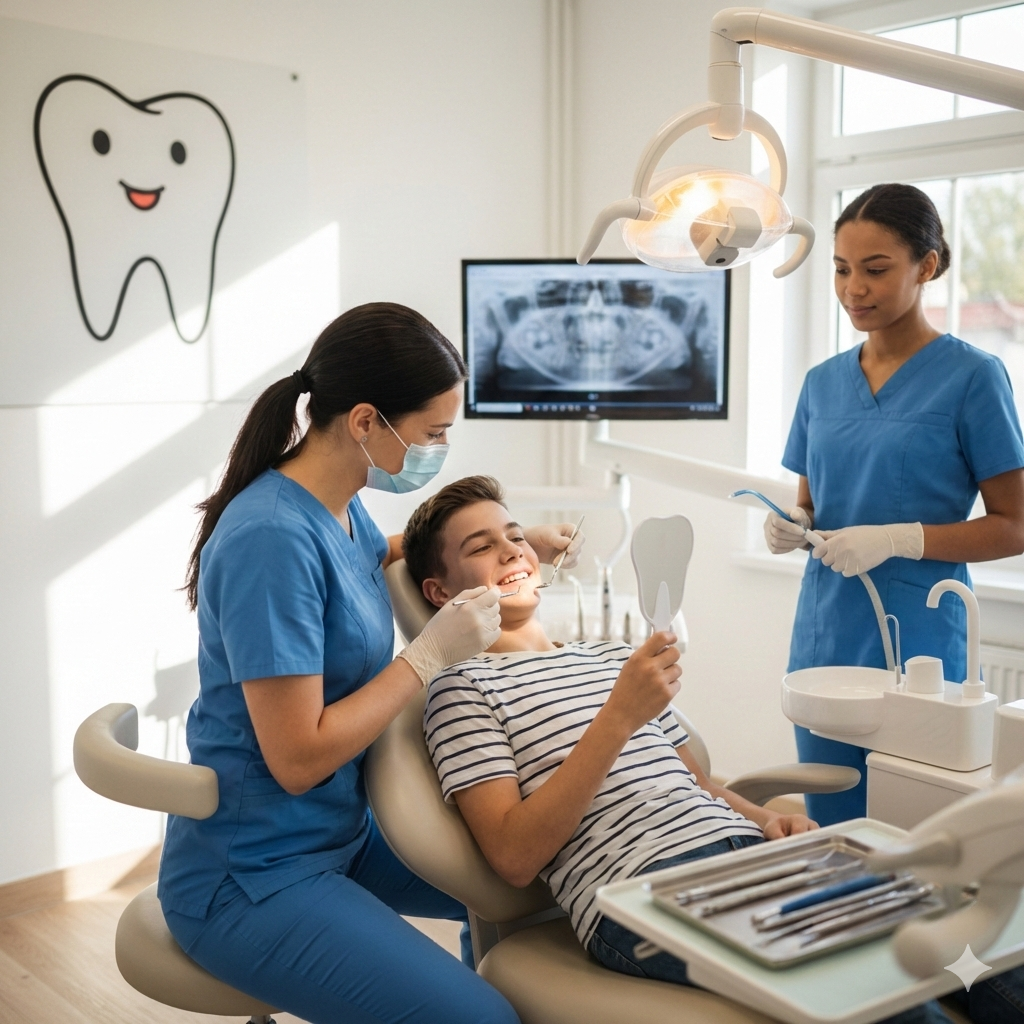
Dental implants in Tampa, Florida, offer a reliable and long-lasting solution for people looking to replace missing teeth. They work by anchoring a durable titanium post into the jawbone, providing a stable base for a natural-looking crown. This method not only restores your smile but also helps maintain jawbone health and facial structure.
Many patients in Tampa appreciate how dental implants feel and function like real teeth, making eating and speaking easier compared to dentures. Advances in implant technology and local expert care ensure treatments are comfortable and tailored to individual needs.
For those considering dental implants, understanding the process and benefits can help reduce anxiety and improve outcomes. A friendly conversation with a trusted Tampa dental professional can clarify options and set realistic expectations for the journey ahead.
What Are Dental Implants?
Dental implants are a modern solution for replacing missing teeth with a natural look and feel. They consist of components that work together to restore function and appearance, offering stability and comfort not always found with other options.
How Dental Implants Work
Dental implants start with a small titanium post that a dentist surgically places into the jawbone. This post acts as an artificial tooth root, fusing with the bone over several months through a process called osseointegration. This fusion creates a strong foundation, supporting the replacement tooth securely.
After healing, an abutment is attached to the implant. The abutment connects the titanium post to the visible crown — the part that looks like a tooth. This method allows the implant to function like a natural tooth, helping with chewing, speaking, and maintaining jawbone health.
Types of Dental Implants
There are several types of dental implants, each suited for different needs. The most common type is the endosteal implant, which is placed directly into the jawbone. This type is usually recommended for most patients with enough bone density.
Another option is the subperiosteal implant, which sits on top of the jawbone but beneath the gum. This is used when bone height is insufficient for endosteal implants. Implants can also differ by the number of teeth they support — single implants replace one tooth, while implant-supported bridges and dentures can replace multiple teeth or full arches, respectively.
Benefits of Choosing Dental Implants in Tampa
Dental implants offer specific advantages that make them a popular choice for tooth replacement in Tampa. These benefits go beyond appearance, impacting daily comfort, long-term oral health, and overall confidence.
Natural Look and Feel
Dental implants are designed to mimic natural teeth closely. The titanium post integrates with the jawbone, providing a stable foundation similar to a natural tooth root. This integration helps the implant feel secure and function naturally.
The crown placed on top is custom-made to match the shape, size, and color of surrounding teeth. This attention to detail gives implants a seamless appearance, making it difficult for others to notice the difference.
Patients often report improved comfort compared to removable dentures. Implants don’t slip or click, allowing normal eating and speaking without worry.
Longevity and Durability
When properly cared for, dental implants can last 20 years or more, often becoming a lifelong solution. This longevity is largely due to their strong bond with the jawbone and the durable materials used.
Unlike bridges, implants don’t rely on adjacent teeth for support, which preserves the health of surrounding teeth. The implant’s titanium post resists decay, unlike natural tooth roots.
Routine dental hygiene and regular check-ups help maintain implants’ condition. Their durability makes them a cost-effective choice over time, despite the initial investment.
Improved Oral Health
Dental implants support the jawbone, preventing the bone loss that typically follows tooth loss. This helps maintain the natural shape of the face and jawline.
Because implants don’t disturb neighboring teeth, they help preserve oral structure and function. This reduces the risk of shifting teeth and bite problems often seen with other replacement options.
Implants also make daily dental care easier. Brushing and flossing around implants are similar to natural teeth, encouraging good oral hygiene habits and overall mouth health.
Who Is a Good Candidate for Dental Implants?
Choosing dental implants involves more than just wanting a new smile. It depends on the health of your teeth, gums, and jawbone, as well as your daily habits and lifestyle. The right candidate has a combination of these factors that support successful implant healing and long-term stability.
Dental Health Considerations
Good candidates must have healthy gums free of significant periodontal disease. Inflammation or infection around the implant can cause failure, so gum health is a priority.
Adequate bone density and volume in the jaw are crucial. If bone loss has occurred, bone grafting might be necessary before placing implants. A dental professional will perform scans to check this.
Chronic health conditions like uncontrolled diabetes or autoimmune diseases could affect healing. It’s important these conditions are well-managed before proceeding. Good oral hygiene habits and regular dental visits also play a key role in implant success.
Lifestyle Factors
Certain lifestyle choices impact implant outcomes. Smoking is one of the biggest risk factors because it slows healing and raises infection risk. Patients who quit or reduce smoking have better results.
Bruxism, or habitual teeth grinding, can place excessive pressure on implants, potentially leading to complications. Night guards and other treatments may be recommended if this is an issue.
Physical activity and diet also matter. Those who maintain balanced nutrition and avoid excessive alcohol are more likely to experience smooth healing. Understanding these lifestyle influences helps patients set up for success before getting implants.
The Dental Implant Process in Tampa Florida
Getting dental implants in Tampa involves several clear steps designed to ensure comfort and effective results. From the first visit to full recovery, each phase is tailored to the patient’s unique dental needs and lifestyle.
Initial Consultation and Assessment
The process starts with a thorough dental exam and discussion of medical history. The dentist reviews X-rays and may use 3D imaging to evaluate jawbone density and oral structures. This assessment determines if implants are viable.
Patients also discuss expectations, budget, and possible treatment timelines. The dentist explains options like single implants, multiple implants, or implant-supported dentures. Any necessary preparatory work, such as bone grafting or tooth extractions, is identified here.
The goal is to create a detailed, personalized plan that addresses the patient’s specific dental health and goals.
Implant Placement Procedure
On the day of surgery, local anesthesia or sedation is used for patient comfort. The dentist makes a small incision in the gum to access the jawbone and drills a precise hole for the implant screw. This screw acts as an artificial tooth root.
The implant is placed securely in the jawbone, and the gum is stitched closed. The procedure usually takes under two hours, depending on the number of implants.
Temporary crowns or healing caps may be attached to protect the implant site during healing. Tampa dentists often use advanced technology to improve accuracy and reduce discomfort during this stage.
Healing and Recovery Timeline
After placement, the implant must fuse with the jawbone in a process called osseointegration. This typically takes 3 to 6 months but varies by individual health and implant location.
During recovery, patients experience mild swelling or discomfort, manageable with over-the-counter pain relievers. Follow-up visits monitor healing and check for any signs of infection.
Once integration is confirmed, the dentist places the abutment and custom crown. Patients are encouraged to maintain excellent oral hygiene and attend regular dental checkups to ensure long-term success.
Modern Comfort and Technology in Tampa Dental Practices
Tampa dental offices now combine cutting-edge technology with comfort-focused care to make dental implant procedures smoother and less stressful. These practices use precise imaging tools and design treatments tailored to each patient’s unique needs.
Advanced Imaging and Planning
Tampa dentists utilize 3D cone beam CT scans to get detailed images of the jawbone. This helps them assess bone density and locate nerves with high accuracy before the implant procedure. It reduces risks and improves the chances of a successful implant.
Digital planning software allows them to map out implant placement virtually. This step ensures implants fit perfectly and function well in the patient’s mouth. The precision shortens surgery time and promotes faster healing.
Such advanced imaging tools give dentists the ability to foresee potential challenges and adapt treatment plans. Patients benefit from fewer surprises and more predictable outcomes.
Patient Comfort Measures
Comfort is a priority in Tampa dental clinics offering implants. Many use sedation options, such as nitrous oxide or oral sedatives, to ease anxiety. Patients often report feeling relaxed and pain-free during the procedure.
Modern implant procedures are minimally invasive compared to older methods. Smaller incisions and specialized instruments mean less swelling and quicker recovery times.
In addition, some offices provide heated blankets, noise-canceling headphones, and calming environments. These small touches help create a stress-free experience from consultation through follow-up visits.
Caring for Your Dental Implants
Maintaining dental implants requires consistent effort and attention to specific habits that support long-term success. Proper cleaning and periodic professional evaluations are essential to keep implants healthy and functioning well.
Daily Oral Hygiene
Daily care for dental implants mirrors natural teeth but with a few key differences. Patients should brush around the implant at least twice a day using a soft-bristled toothbrush. Avoid hard, abrasive brushes that can damage the gum tissue or implant surface.
Flossing is equally important. Specialized floss or interdental brushes designed for implants help remove plaque and food particles lodged between the implant and adjacent teeth. Rinsing with an antimicrobial mouthwash can reduce bacterial buildup that leads to inflammation.
Avoid smoking and limit sugary foods to protect the implant site. These habits promote healthier gums, preventing peri-implantitis, a common cause of implant failure. Consistency in daily care greatly increases the lifespan of dental implants.
Regular Dental Visits
Regular checkups allow dental professionals to monitor implant health and spot problems early. Patients should schedule visits every 4 to 6 months, or as recommended by their dentist, for cleanings and assessments.
During these appointments, the dentist will check for gum inflammation, bone loss, or loosening of the implant. Professional tools remove hardened plaque that daily brushing can miss.
If any issues arise, early treatment can prevent more serious complications. Follow-up visits reinforce good oral habits and fine-tune care plans tailored to each patient’s needs.
Comparing Dental Implants to Other Tooth Replacement Options
Choosing between dental implants and other tooth replacement methods often comes down to durability, comfort, and long-term oral health. Each option offers benefits and challenges that can affect daily life and future dental care.
Bridges Versus Implants
Dental bridges use the neighboring teeth as support by anchoring a false tooth in between. While bridges are typically quicker to place and less expensive upfront, they require grinding down healthy adjacent teeth. This can compromise those teeth’s structure over time.
In contrast, implants are anchored directly to the jawbone through a titanium post. This stimulates bone growth and helps maintain facial structure. Although implants usually cost more initially and take longer to complete, they avoid stressing nearby teeth and tend to last decades with proper care.
Patients valuing a permanent, natural-feeling solution often prefer implants, especially when healthy supporting teeth are not available or need to be preserved.
Dentures Versus Implants
Dentures are removable and replace multiple teeth or a full arch. They are typically more affordable upfront and non-invasive, but can cause difficulties with chewing, speaking, and may slip without adhesives. Over time, dentures may also contribute to bone loss since they rest on the gums rather than integrating with the jawbone.
Implants offer a fixed solution that feels and functions like natural teeth. They provide improved stability and better chewing efficiency and help preserve bone density by mimicking natural tooth roots. For many, implants improve confidence and comfort during everyday activities.
However, implants require sufficient bone volume and involve a surgical process. Patients with certain health conditions may need evaluation to determine implant candidacy.
Common Concerns and Misconceptions about Dental Implants
Many people worry about pain, healing time, and whether dental implants really last. Understanding what to expect can ease these fears and help patients feel more confident about the process.
Pain and Recovery
Dental implants are placed with local anesthesia, so the procedure itself should not cause pain. Some discomfort and swelling are normal afterward, similar to having a tooth pulled.
Recovery times vary but typically take a few days to a week. Over-the-counter pain relievers and following post-op care instructions can make this period easier. Most patients report feeling back to normal quickly and are surprised at how manageable the healing process is.
Good oral hygiene and avoiding hard foods during recovery support healing. Regular follow-ups ensure everything is progressing well without complications.
Success Rates
Dental implants have a success rate of about 95% when done by experienced specialists using modern techniques. Factors like smoking, overall health, and bone density can affect success but don’t automatically disqualify a patient.
Implants, unlike dentures, integrate with the jawbone, providing stable support that can last decades. Proper care and routine dental visits help maintain implant health.
It’s important to choose a qualified dentist who evaluates each patient’s unique situation to maximize the chance of a successful outcome and long-term satisfaction.
Choosing the Right Dental Implant Provider in Tampa
Finding the right dental implant provider means looking beyond just credentials. It involves understanding their experience, patient approach, and the technologies they use. Patients should feel confident about comfort, care quality, and clear communication.
Qualities of a Trusted Implant Dentist
A trustworthy implant dentist in Tampa will have extensive training specific to dental implants, beyond general dentistry education. Board certifications and memberships in professional organizations, like the American Academy of Implant Dentistry, often indicate commitment to ongoing education.
Experience matters greatly. A dentist who has performed numerous implant procedures can better anticipate challenges and reduce risks. Look for providers who use advanced technology like 3D imaging or guided implant surgery, which enhance accuracy and healing time.
Patient comfort should be a priority. This means they offer sedation options or pain management plans tailored to individual needs. Positive patient reviews mentioning gentle care and clear explanations also reveal a provider’s approach to treatment.
Questions to Ask Your Dentist
Before committing, ask about their specific implant experience: “How many dental implants do you place each year?” and “What is your success rate with implants?” These questions provide insight into their skill level.
Inquire about the technology they use. For example, “Do you use CT scans or computer-guided implant placement?” helps confirm if they adopt modern, precise techniques.
Clarify post-surgery care by asking, “What should I expect during healing?” and “How do you handle complications?” Understanding these details eases anxiety and prepares patients for recovery.
Lastly, ask if the implant warranty or guarantees are offered, and what payment plans exist. Clear answers show transparency and help you plan financially.
Next Steps: Schedule Your Consultation
Taking the first step toward dental implants is easier than it seems. A consultation allows the dentist to assess your oral health and discuss your options in a relaxed, no-pressure setting.
During the appointment, the dentist will review your dental history and perform a thorough exam. They may take X-rays or 3D scans to understand your jawbone structure and decide if implants are the right fit.
Here’s what patients can expect during the consultation:
| Step | What Happens |
|---|---|
| Discussion | Review goals and address concerns |
| Oral Exam | Check gums, teeth, and bone health |
| Imaging | X-rays or scans for detailed view |
| Treatment Plan Overview | Personalized approach explained |
This meeting is a chance for anyone to ask questions about the process, recovery, or costs. The dentist will explain all treatment steps clearly and ensure the patient feels comfortable.
Scheduling a consultation is a smart move to explore if dental implants can improve your smile and confidence. Reliable, expert care is ready when you are.
Frequently Asked Questions
Dental implants involve several important considerations like pricing, provider reputation, and treatment experience. Understanding how implants can improve oral function and bite alignment also helps patients feel confident about their choices.
What factors influence the cost of dental implants in Tampa?
The cost depends on factors like the number of implants needed, the type of implant, and any additional procedures such as bone grafting. Location and the provider’s expertise also impact pricing.
How can I find trustworthy reviews for dental implant providers in Tampa?
Look for reviews on trusted health websites, Google, and local business directories. Patient testimonials and before-and-after photos often give insight into the quality of care.
Which clinics are considered the best for dental implants in Tampa?
Clinics with board-certified oral surgeons or periodontists, modern technology, and positive patient feedback rank highly. Facilities offering personalized treatment plans and follow-up care tend to stand out.
Are there affordable options for dental implants available in Tampa?
Some clinics offer payment plans, dental financing, or package deals to reduce upfront costs. Community dental programs or dental schools may provide lower-cost options without compromising quality.
What should I expect when getting a dental implant from Dr. Osman or similar professionals in Tampa?
Patients can expect an initial consultation, imaging scans, and a detailed treatment plan. The procedure includes implant placement followed by healing time before the crown is attached, with a focus on comfort and clear communication.
How do dental implants contribute to correcting bite issues?
Dental implants restore missing teeth to maintain jaw alignment and prevent shifting of surrounding teeth. This helps improve chewing efficiency and reduces stress on the bite for better oral function.